Skin Cancer
Skin Cancer Screening in Central Oregon: What to Expect
Central Oregon’s high elevation, abundant sunshine, and outdoor lifestyle add up to real ultraviolet exposure. A professional skin cancer screening is one of the simplest, highest-value appointments you can make. Here is what actually happens during a skin check, and how to know when it is time to book one.
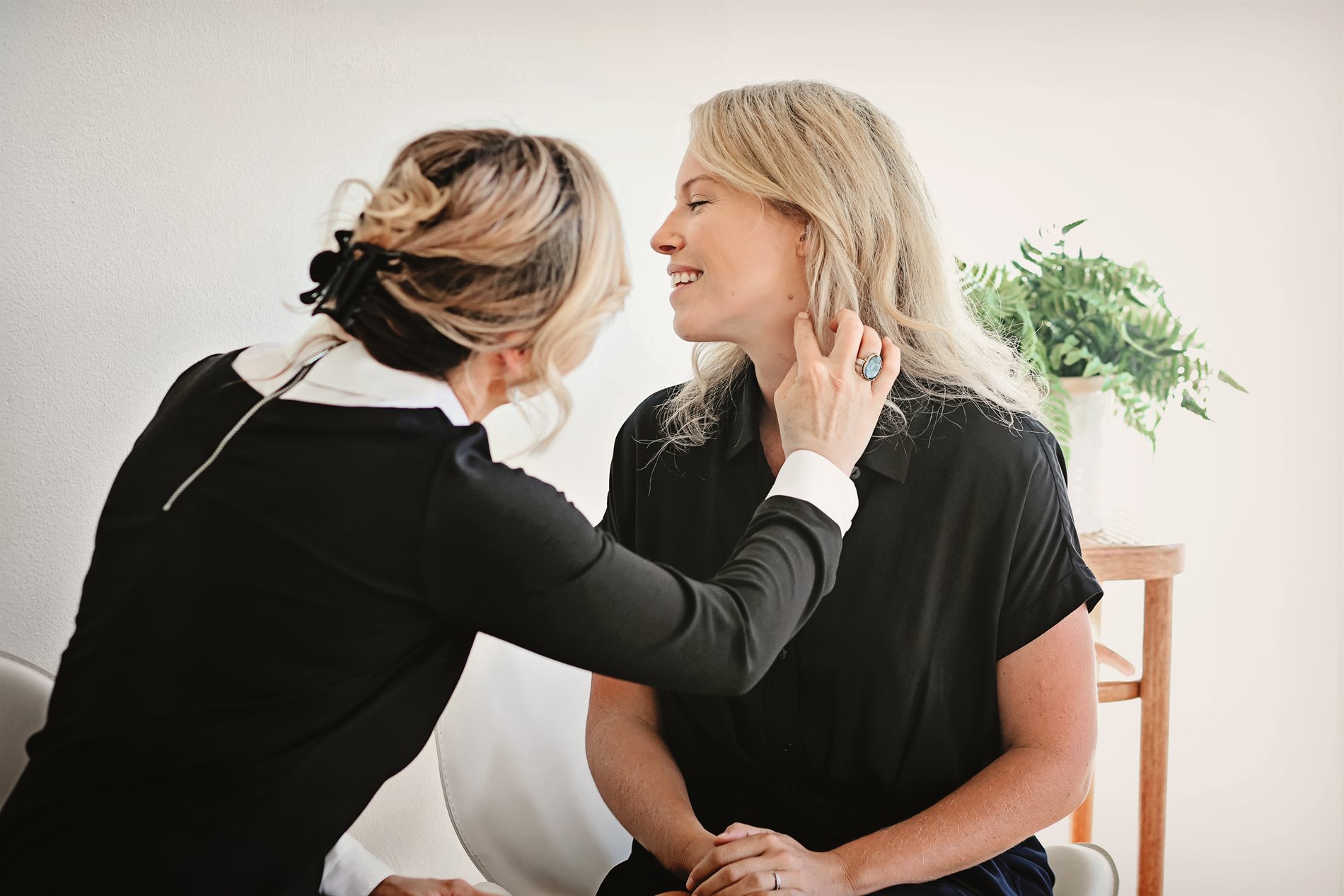
Bend and Redmond sit at roughly 3,000 to 3,600 feet, and higher elevation means more intense ultraviolet (UV) radiation for a given amount of sun. Add over 150 mostly-sunny days a year and a population that loves to ski, bike, paddle, and golf, and you have a region where sun exposure adds up quickly. That is exactly why skin cancer screening deserves a place on your health calendar in Central Oregon.
Skin cancer is the most common cancer in the United States, and most cases are highly treatable when caught early. A screening is fast, non-invasive, and often the difference between a simple in-office treatment and a bigger procedure later.
What is a full-body skin check?
A full-body skin exam is a visual, head-to-toe evaluation of your skin by a dermatologist. You change into a gown, and the physician systematically examines your skin — including easy-to-miss areas like the scalp, behind the ears, between the toes, and the soles of the feet. Many dermatologists use a dermatoscope, a handheld magnifier with polarized light that reveals features invisible to the naked eye.
The exam itself usually takes 10 to 20 minutes. It does not hurt. If the dermatologist finds a spot that looks suspicious, the next step is typically a biopsy — a small sample of tissue taken under local anesthetic and sent to pathology for a definitive diagnosis. If a true mole (nevus) is removed, it is likewise sent to pathology so it can be examined under the microscope. Getting a real diagnosis before any treatment is the standard of care.
What to wear and bring
Skip nail polish (so nails can be examined), and point out any spot you are worried about. If you have a history of a changing or bleeding lesion, mention it first so it gets priority attention.
How often should you be screened?
There is no one-size-fits-all interval, and screening recommendations are individualized. In general, people at higher risk are seen more often. You may benefit from a professional skin check if you have:
- A personal or family history of melanoma or other skin cancer
- Many moles, atypical moles, or a mole that is changing
- Fair skin, light eyes, or a history of sunburns
- Significant lifetime sun exposure or past tanning-bed use
- A previous skin cancer or precancerous spot (actinic keratosis)
- Immunosuppression, including after an organ transplant
Your dermatologist will recommend a personal schedule — for some patients that is annual, for others more frequent. Between visits, monthly self-exams help you notice change early.
The ABCDEs of melanoma
When you check your own skin, the ABCDE rule is a helpful guide for evaluating moles and spots:
- A — Asymmetry: one half doesn’t match the other.
- B — Border: edges are irregular, scalloped, or poorly defined.
- C — Color: more than one color, or uneven shades of brown, black, red, or blue.
- D — Diameter: larger than about 6 mm (a pencil eraser), though melanomas can be smaller.
- E — Evolving: any change in size, shape, color, or a spot that itches or bleeds.
The most important letter is often E. A spot that is new, growing, or changing — or one that simply looks different from your other moles (the “ugly duckling”) — deserves a professional look. When in doubt, get it checked.
What happens if something is found?
Finding a spot early is good news, not cause for panic. After a biopsy confirms a diagnosis, your dermatologist explains the options. For common non-melanoma skin cancers (basal cell and squamous cell carcinoma), treatment may include in-office surgical removal, Mohs surgery for certain locations or higher-risk tumors, or — for appropriate early cases — non-surgical options. Melanoma is treated surgically, with the plan tailored to depth and stage.
At Juniper Dermatology’s Skin Cancer Center, patients can review the full range of options, including GentleCure® / Image-Guided SRT for appropriate non-melanoma skin cancers. The right path depends on the tumor, its location, and your overall health — a good dermatologist helps you understand every choice before you decide.
Prevention still matters most
Screening catches problems early; prevention keeps them from starting. In Central Oregon’s bright, high-UV environment, daily broad-spectrum SPF 30+ sunscreen, reapplication during outdoor activity, sun-protective clothing and hats, and seeking shade midday all meaningfully lower risk. Snow and water reflect UV, so winter recreation counts too.
If it has been a while since your last skin check - or you have a spot on your mind right now - it is reasonable to schedule an evaluation. You can request an appointment at our Bend or Redmond office.
Frequently asked questions
How long does a skin cancer screening take?
A full-body skin exam usually takes about 10 to 20 minutes. It is a visual, non-invasive evaluation and does not hurt. If a suspicious spot is found, a small biopsy may be done at the same visit or scheduled shortly after.
Does insurance cover a skin cancer screening?
Medically necessary skin exams — for example, evaluating a changing spot or monitoring a patient with a history of skin cancer — are often covered, but coverage varies by plan. Ask the practice to verify your benefits before the visit.
How often should I get a skin check in Central Oregon?
It depends on your risk factors. Many higher-risk patients are seen annually or more often, while lower-risk patients may go less frequently. Because Central Oregon’s high elevation increases UV exposure, ask your dermatologist for a personalized schedule.
What should I do if I notice a changing mole?
Have it evaluated promptly. A spot that is new, growing, changing color or shape, itching, or bleeding should be seen by a dermatologist. Early evaluation and, if needed, a biopsy sent to pathology give you a clear answer.
Sources & further reading
This article is patient-education information reviewed by a board-certified dermatologist. It is general information, not medical advice, and is not a substitute for an in-person evaluation. For concerns about your skin or hair, please see a qualified clinician.