A changing mole
Any mole that changes in size, shape, or color, or starts to itch, bleed, or crust.
Medical Dermatology
A yearly full-body skin exam is one of the simplest, most powerful things you can do for your health. Caught early, skin cancer - including melanoma - is highly treatable.
✓ Medically reviewed by Dr. Karla Snider Pivik, DO, FAAD, FAOCD — board-certified dermatologist
Overview
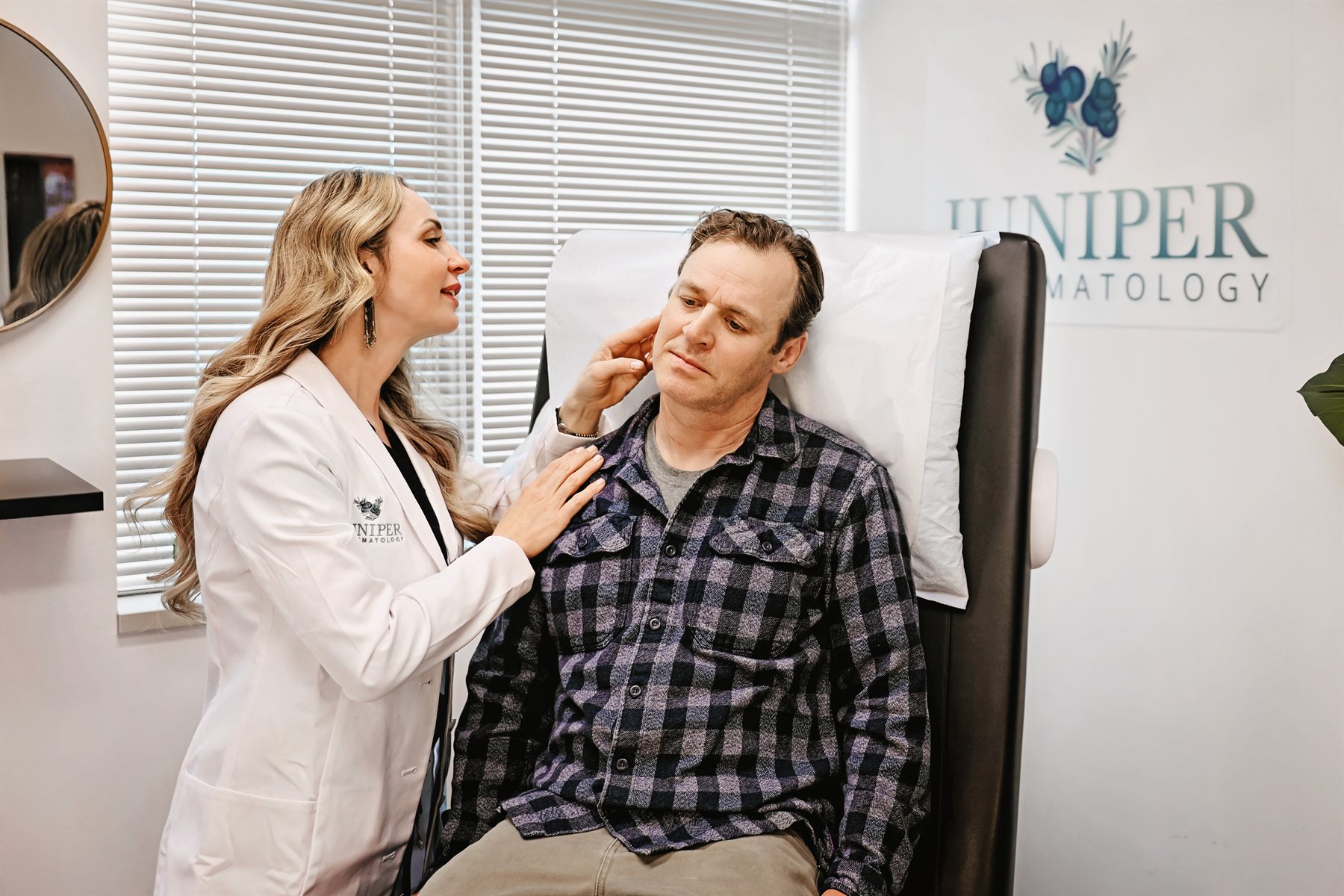
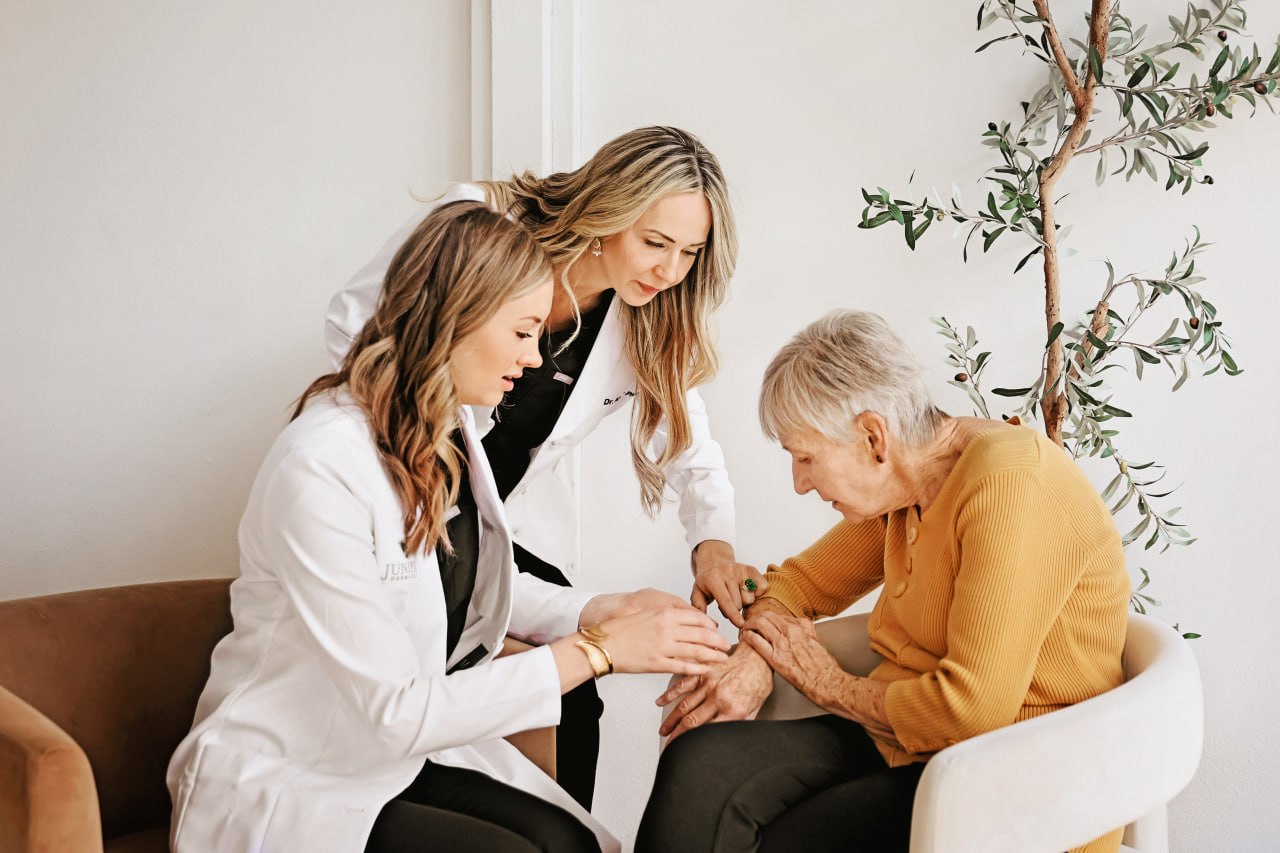
A skin cancer screening (also called a full-body skin exam) is a head-to-toe check of your skin by a board-certified dermatologist. We look at spots, moles, and any areas of concern - often with a dermatoscope, a special magnifier that lets us see patterns invisible to the naked eye - to find anything suspicious as early as possible.
Early detection changes everything. When melanoma is found early, before it spreads, it is highly treatable - and most non-melanoma skin cancers, caught early, are straightforward to treat. A screening is quick, painless, and could not be more worth the visit. As a dermatology practice, we bring an expert eye to spots that are easy to miss or dismiss.
Living in Central Oregon means a lot of sun and a lot of time outdoors, at elevation, year-round. That's wonderful for life here - and it's exactly why routine skin checks matter. We make screening easy, thorough, and free of judgment about past sun exposure; we're here to help going forward.
Between visits, check your own skin and watch any mole for these warning signs:
Talk with us about the right schedule for you. Yearly screening is especially important if you:
A screening flows directly into care at our Skin Cancer Center - including surgical treatment in Bend and Redmond and GentleCure® Image-Guided SRT in Bend for selected nonmelanoma cancers. Mohs surgery is coming soon and is not yet bookable. You can also learn more about melanoma treatment.
Spots worth getting checked
Any mole that changes in size, shape, or color, or starts to itch, bleed, or crust.
Most moles appear earlier in life - a genuinely new spot in adulthood is worth a look.
A spot that simply looks different from all your others.
A spot that keeps scabbing, bleeding, or won't heal over several weeks.
Persistent scaly or crusty spots (actinic keratoses) that can be precancers.
A shiny, translucent, or pinkish bump that slowly grows - a common look for basal cell carcinoma.
How we treat it
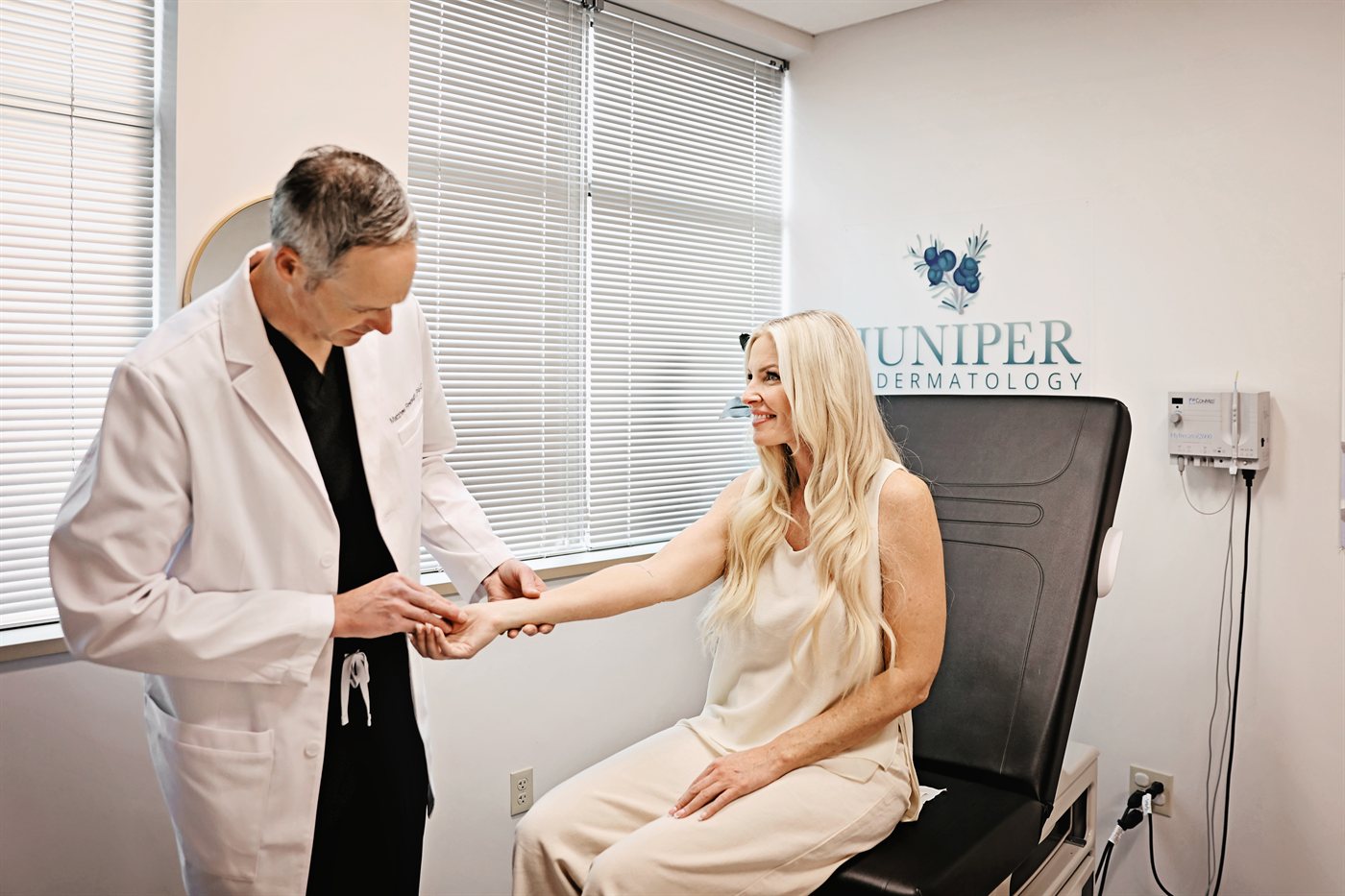
A screening is just the beginning - if we find something, you're already in the right place. Everything flows from one visit into a clear plan.
A thorough, head-to-toe check by a board-certified dermatologist, using dermoscopy to evaluate suspicious spots.
A handheld magnifier that reveals patterns beneath the surface, improving accuracy and reducing unnecessary biopsies.
Photographing and tracking atypical moles over time so we can spot subtle changes early.
A quick, in-office sampling of any concerning spot, sent to pathology for a definitive answer.
If something is skin cancer, our Skin Cancer Center offers surgical treatment in Bend and Redmond and GentleCure® in Bend for selected nonmelanoma cancers. Mohs surgery is coming soon and is not yet bookable.
Personalized guidance on sun protection and self-exams so you leave knowing exactly how to protect your skin.
When to come in
Schedule a skin check if it's been over a year since your last one, if you've never had one, or - at any time - if you notice a spot that's new, changing, non-healing, or simply doesn't look right. When it comes to skin cancer, it is always better to have it checked and be reassured than to wait.
Schedule with JuniperCommon questions
You'll change into a gown, and a board-certified dermatologist will examine your skin from scalp to toes, including easy-to-miss spots. We often use a dermatoscope - a special magnifier - to look more closely at any spot of interest. It's quick, painless, and usually takes about 10-15 minutes. If we find something suspicious, we'll explain it and discuss next steps right then.
For most adults, once a year is a good rule of thumb. You may benefit from more frequent checks if you have a history of skin cancer, many or atypical moles, fair skin, significant sun exposure, or a weakened immune system. We'll recommend the right interval for you - and you should always come in sooner for a new or changing spot.
No. A skin exam is completely painless - it's a visual examination of your skin. If we need to sample a spot with a biopsy, we numb the area first so that's comfortable too.
They're an easy way to remember melanoma warning signs: Asymmetry, Border irregularity, Color variation, Diameter larger than a pencil eraser, and Evolving (any change over time). If a mole shows any of these - or simply looks different from your others - have it checked.
You're already in the right place. Juniper has a dedicated Skin Cancer Center offering surgical removal in Bend and Redmond and GentleCure® treatment in Bend for selected nonmelanoma cancers. Mohs surgery is coming soon and is not yet bookable. We'll confirm the diagnosis, explain the appropriate options, and help you choose a plan based on the cancer type, location, health, and goals.
Bend & Redmond · Central Oregon
Board-certified dermatology with same-week appointments — because no one should have to wait for expert care.