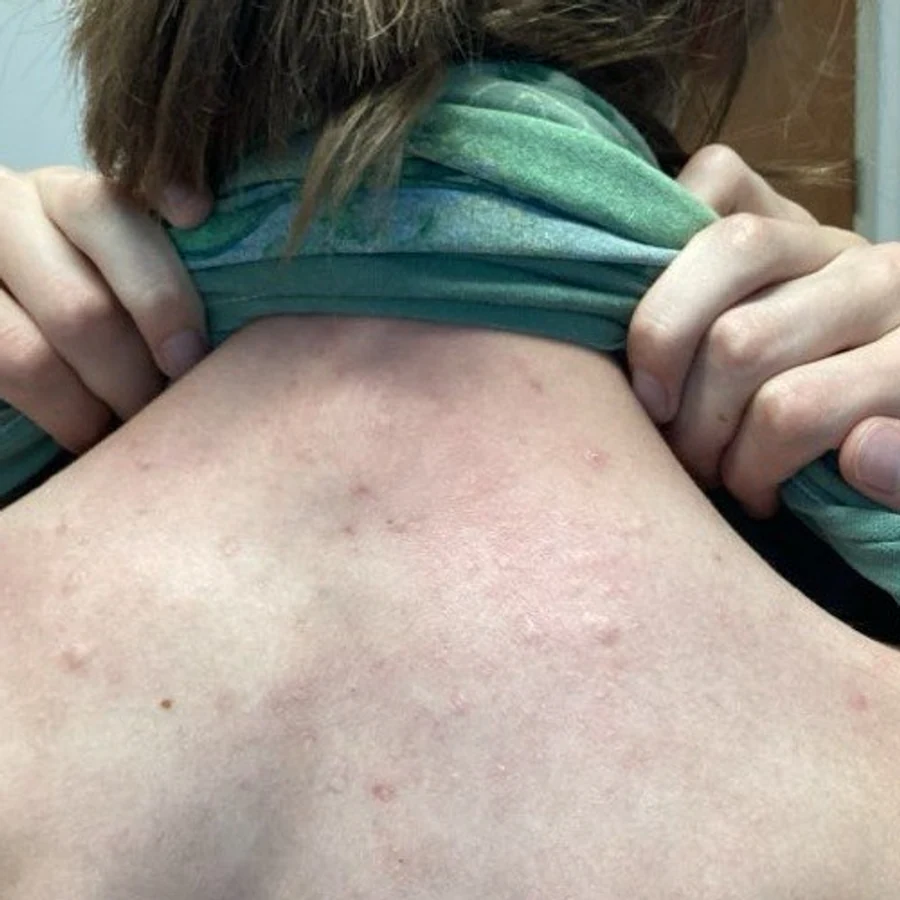
Comedonal acne
Blackheads and whiteheads, often across the forehead, nose, and chin.
Medical Dermatology
Acne is the most common skin condition we treat — and one of the most treatable. With a dermatologist-led plan, clearer skin is realistic at any age, and early treatment helps prevent the scars acne can leave behind.
✓ Medically reviewed by Dr. Karla Snider Pivik, DO, FAAD, FAOCD — board-certified dermatologist
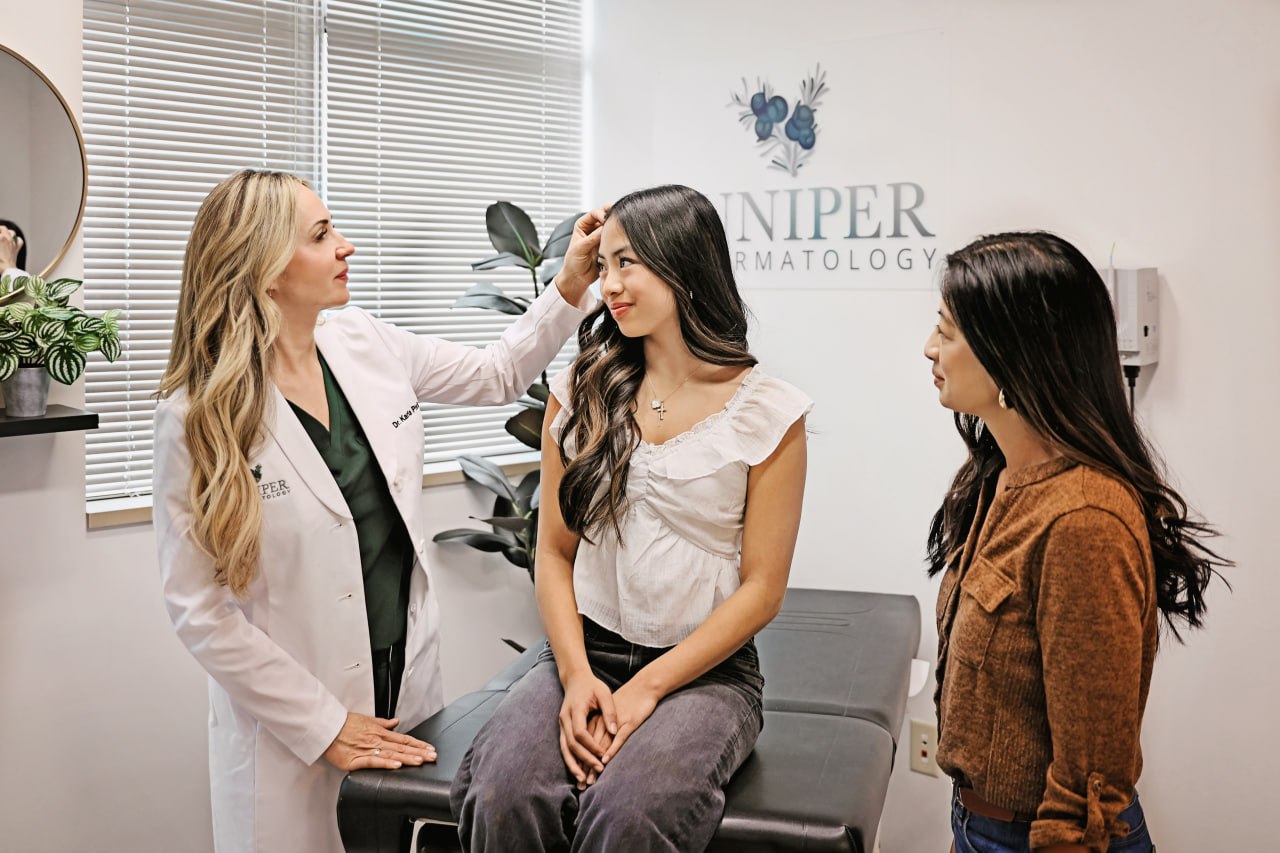
Overview
Acne isn't just a teenage problem. We treat teens, adults, and everyone in between — from the occasional breakout to persistent cystic acne that hasn't responded to over-the-counter products. As dermatologists in Bend, it's something we see and successfully treat every single week.
Because we're a dermatology practice, we look past the surface. Instead of chasing one product after another, we find what's actually driving your acne — excess oil, clogged pores, bacteria, inflammation, hormones, or a mix of them — so you get results that last rather than a temporary fix.
Acne is the most common reason young people see a dermatologist, and it can leave lasting marks when it isn't controlled. Care works best when it's both accurate and early: quiet the active breakouts, protect the skin barrier, and stay ahead of the scarring that follows deep or repeated inflammation.
There is no single acne cure, but there is a right combination for your skin. We pair proven prescription medicine with in-office treatments and honest guidance on the everyday factors — skincare, routine, and yes, stress — then adjust the plan with you over time until your skin is clear and stays that way.

Acne happens when several things converge in the pore. Understanding them is what lets us treat the cause, not just the pimple.
Acne is easy to underestimate and easy to treat poorly. A dermatologist brings both accuracy and the full toolkit.
Explore the tools we use for scarring — VBeam® pulsed-dye laser and our acne scar & texture care — all planned by the same dermatologists who treated your acne.
Types of acne we treat
Blackheads and whiteheads, often across the forehead, nose, and chin.
Red, tender papules and pustules that come and go in waves.
Deep, painful breakouts most likely to scar — and most in need of medical care.
Jawline and lower-face breakouts that flare with cycles, stress, or PCOS.
Persistent breakouts in the 20s, 30s, 40s, and beyond — very common and very treatable.
Body breakouts that respond to the same medical approach, tailored to larger skin areas.
Itchy, uniform bumps (malassezia folliculitis) that mimic acne but need antifungal care.
The pitted texture, dark marks, and redness left behind after breakouts heal.
How we treat it
There's no single acne cure — but there is a right combination for your skin. We build a plan and adjust it with you over time.
Medical-grade retinoids, azelaic acid, benzoyl peroxide, and combination creams that target breakouts at the source.
Short courses to calm inflammation, always paired with a topical plan so results last.
Spironolactone or certain oral contraceptives to address the hormonal driver of jawline and cystic acne.
Carefully monitored oral treatment for severe, scarring, or treatment-resistant acne when medically appropriate.
Acne peels, extractions, and cortisone injections to calm painful cysts quickly.
IPL, VBeam® pulsed-dye laser, and other devices to reduce active breakouts and post-acne redness.
VBeam®, microneedling, subcision, and resurfacing lasers to soften texture, marks, and redness — often begun early.
Guidance on skincare, diet, stress, and supportive supplements so results last.
A closer look
Most people with acne have tried a shelf of products before they ever see a dermatologist. The problem is rarely effort — it's that over-the-counter products can only do so much, and acne has several different drivers that need to be treated together. A dermatologist-led plan starts with figuring out what kind of acne you actually have, then matching the treatment to it.
At Juniper Dermatology in Bend, acne care is built around three goals: clear the active breakouts, keep them from coming back, and prevent scarring. We combine prescription medication with in-office treatment and a simple, sustainable routine — and we adjust as your skin responds. Patients come to us from Bend, Redmond, and across Central Oregon because it's dermatologist care, not a product recommendation.
Treatment usually layers a few approaches. Topicals (prescription retinoids, azelaic acid, benzoyl peroxide, and combination creams) work on the pore and on inflammation day to day. Oral medication — antibiotics, hormonal therapy, or isotretinoin — is added when topical care alone isn't enough. In-office treatments such as peels, cortisone injections, and laser/light help calm stubborn, painful, or red breakouts and speed results.
The exact plan depends on your acne type, your skin, your age, your goals, and any pregnancy plans — which we always discuss. It's also normal to change the plan: we often start conservative and step up, or step down once you're clear. When scarring is a risk, we sometimes treat it at the same time as the active acne rather than waiting.
Deep nodular and cystic acne sits further under the skin, is often painful, and carries the highest risk of permanent scarring — which is exactly why it deserves medical treatment rather than more drugstore products. It tends to respond best to systemic treatment, sometimes including isotretinoin.
Hormonal acne clusters along the jawline, chin, and lower face and flares with the menstrual cycle, stress, or conditions like PCOS. Because the driver is hormonal, it often responds to hormonal therapy (such as spironolactone or certain oral contraceptives) rather than topical treatment alone. Identifying which pattern you have is the difference between guessing and treating.
A number of conditions imitate acne but need different treatment. Rosacea causes red bumps without blackheads. Perioral dermatitis brings a rash of small bumps around the mouth. Folliculitis inflames the hair follicle. And fungal “acne” (malassezia folliculitis) — common in hot, sweaty conditions — is itchy, uniform, and responds to antifungals, not to acne medicine.
Treating the wrong condition wastes time and can make things worse, which is one of the clearest reasons to have acne diagnosed by a dermatologist rather than self-treated for months. A short exam sorts it out.
Isotretinoin is the most powerful oral treatment for acne and the closest thing to a lasting solution for severe, scarring, or stubborn acne that hasn't responded to other care. It is also one of the most closely regulated medicines in dermatology, because of its risks — particularly to a developing pregnancy.
In our practice, isotretinoin is prescribed only when it's medically appropriate and always with active monitoring, including the FDA-required iPLEDGE program, monthly check-ins, and lab work as needed. When it's the right choice, it can change a patient's skin — and their confidence — for good.
Scarring is where acne does its lasting damage, and it's why we don't simply wait for breakouts to stop on their own. Early, effective acne control is the single best way to prevent scars — and when scars have already formed, they respond best when treated sooner rather than years later.
Scar treatment is matched to the type of scar: VBeam® pulsed-dye laser targets the vascular activity and redness of early scars, while microneedling, subcision, and resurfacing lasers rebuild texture in rolling, boxcar, and tethered scars. We track progress with before-and-after photos so you can see the change. Learn more about our acne scar approach.
Acne is a medical condition, so — generally speaking — medical treatment of acne is often at least partly covered by insurance, while purely cosmetic treatments (like most laser resurfacing for scarring) usually are not. Coverage depends on your specific plan, diagnosis, and the treatment chosen.
We can't promise a specific result with any insurer, but we'll explain what's medical versus cosmetic and help you understand the options. Our team is happy to answer questions about prescriptions, visits, and payment before you commit to a plan.
Central Oregon's dry air, intense high-elevation sun, and seasonal temperature swings can all work on acne-prone skin. Dryness can drive the skin to overproduce oil, harsh sun can darken the marks acne leaves behind, and many acne treatments make skin more sun-sensitive.
That's why our plans always include a practical routine built for this climate — barrier-friendly cleansing and moisturizing, and consistent broad-spectrum sun protection — so treatment works without leaving your skin irritated or newly pigmented.
Before & after
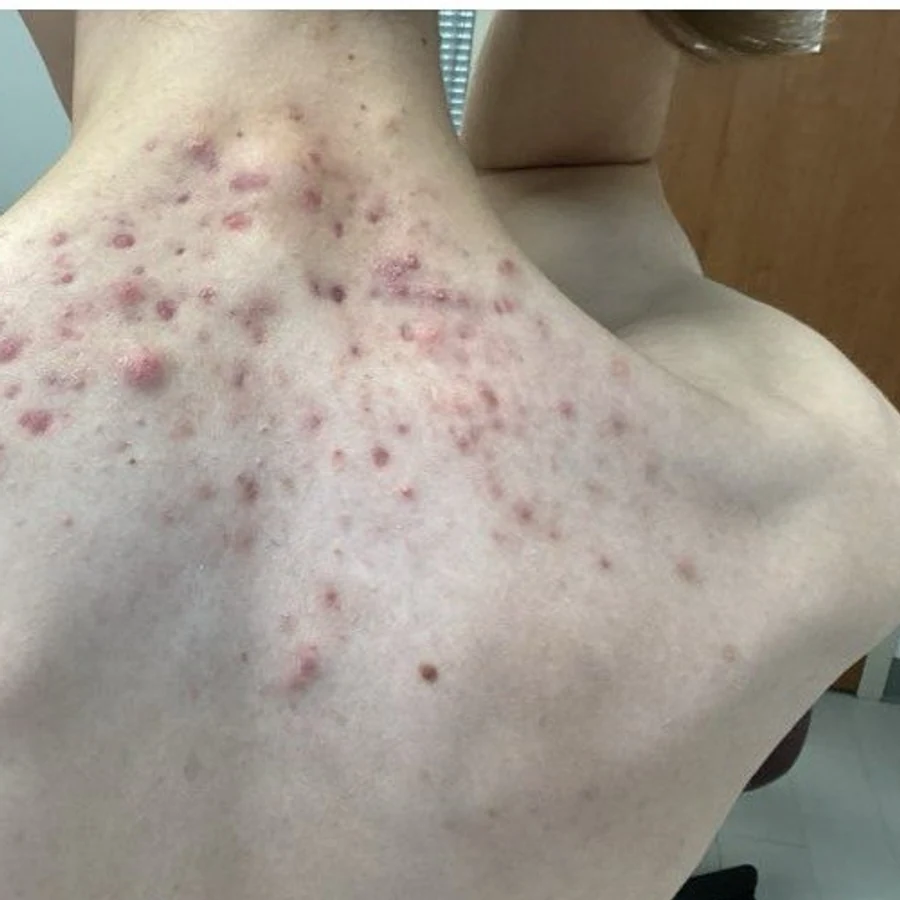 Before
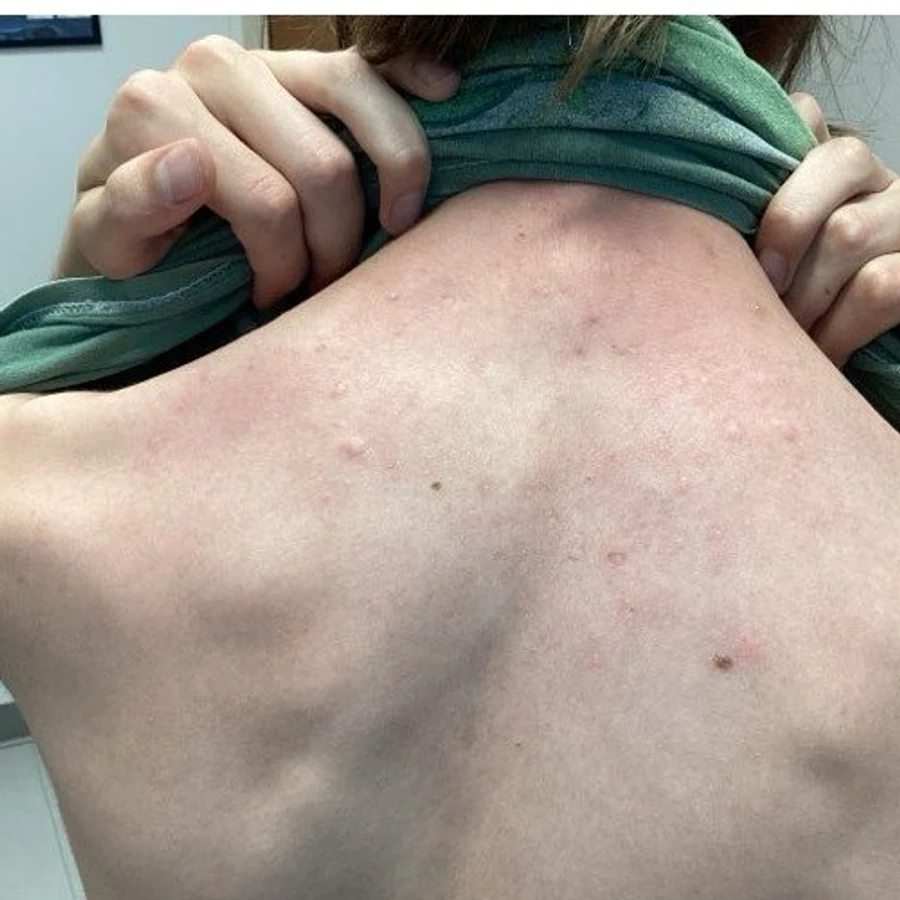 After
After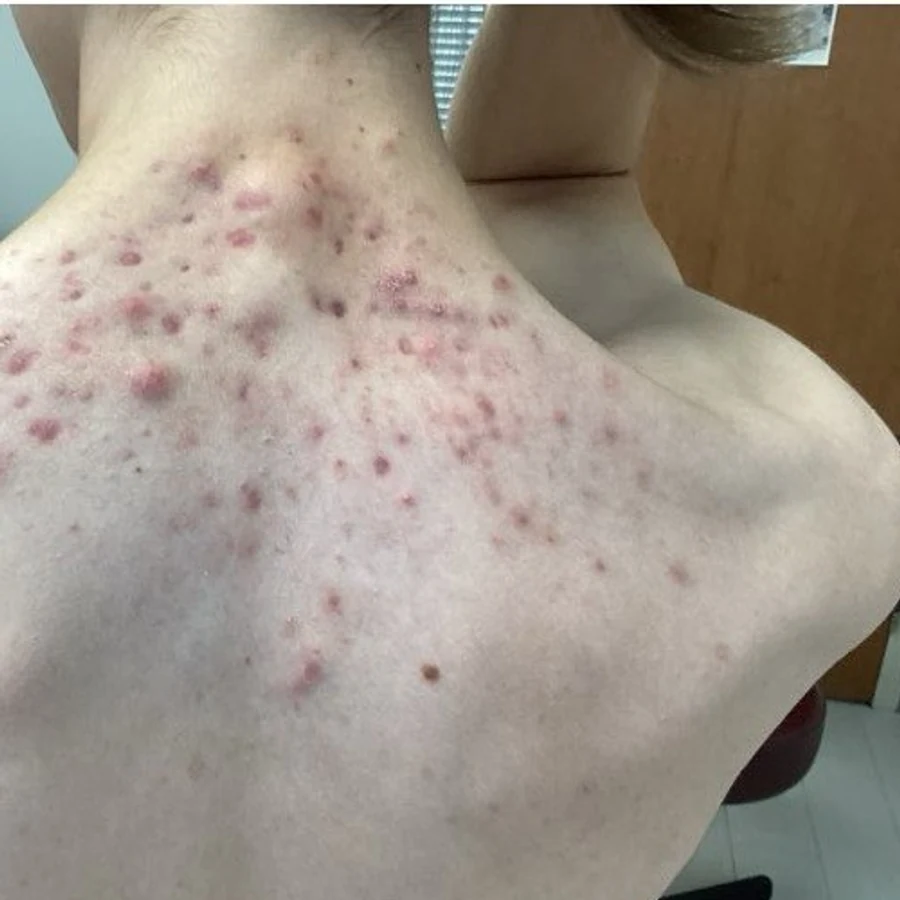 Before
 After
AfterActual Juniper Dermatology patient. Individual results vary.
When to see a dermatologist
See a dermatologist if your breakouts are painful, deep, or scarring, or if they haven't improved after two to three months of over-the-counter treatment. Early care is the best way to clear your skin and prevent lasting scars — you don't have to wait it out.
Schedule with JuniperCommon questions
Most patients begin to see improvement within 4-6 weeks, with more significant results around 8-12 weeks. Because progress is gradual, we often use before-and-after photos to help you see the change over time.
The best treatment is the one matched to your type of acne. Mild comedonal acne may clear with a prescription topical, while deep cystic or hormonal acne often needs systemic treatment. A dermatologist diagnoses the type first, then builds the right combination rather than guessing.
Yes. We treat acne at every age — teens, adults, hormonal acne, back and chest acne, cystic acne, and fungal acne. The plan is tailored to the type of acne and what's driving it, including hormonal therapy options for jawline breakouts.
Yes. For severe, scarring, persistent, or treatment-resistant acne, our dermatology team may prescribe isotretinoin when medically appropriate. Accutane was a former brand name; isotretinoin treatment requires careful medical monitoring and participation in the FDA-required iPLEDGE program.
Acne is a medical condition, so treatment is often at least partly covered by insurance depending on your plan, while purely cosmetic treatments usually are not. We'll explain what's medical versus cosmetic and help you understand your options before you commit to a plan.
Often, yes. Many patients leave their first visit with a clear plan and custom-compounded medications, so you can start treating your acne right away.
Yes, but the plan changes. Some of the most effective acne medicines, including isotretinoin and certain retinoids, are not safe in pregnancy, so we build a pregnancy-safe regimen and discuss options carefully. Tell us if you are pregnant, breastfeeding, or planning to become pregnant.
Diet is not the sole cause of acne, and chocolate alone doesn't create it. For some people, high-glycemic diets and certain dairy can contribute to flares. We focus on proven medical treatment first, then address diet and lifestyle where they genuinely help your skin.
Yes. We treat the whole person. Your plan centers on proven medical treatment, but we also address the everyday factors that influence acne — diet and nutrition, stress, sleep, and skincare habits — and can recommend supportive supplements where they help. It's thorough, evidence-based dermatology, not a one-size-fits-all prescription.
Yes - acne scarring is a special interest of ours. Scars respond best when treated early, so we often begin addressing them while we're still controlling active acne rather than waiting years. We use a multifaceted, scar-type-specific approach: VBeam pulsed-dye laser to target the vascular activity involved in early scar formation and calm redness, plus resurfacing lasers and microneedling for deeper texture. We'll build the right combination for your skin and track progress with before-and-after photos.
Education
Bend & Redmond · Central Oregon
Board-certified dermatology with same-week appointments — because no one should have to wait for expert care.