Aesthetic concern · Bend & Central Oregon
Treating Acne Scarring & Stubborn Scars in Bend
Scars from acne, surgery, and injury can linger for years - pitted, raised, or tethered. Treating them is one of our passions, and we remodel them from within.
Understanding it
About acne scarring & stubborn scars
Scars come in many forms. Acne leaves rolling, boxcar, and icepick scars; surgery and injury leave lines, depressions, or raised and tethered tissue; and some heal thick or firm. Each type responds to a different approach - but because scarring lives in the skin's structure, the treatments that work are the ones that trigger controlled remodeling: fractional resurfacing lasers and radiofrequency microneedling that prompt your skin to rebuild collagen and smooth the scar over time.
Matching the treatment to the scar is everything. A dermatologist-led plan may combine modalities - and, if you're still breaking out, address the active acne first so new scars don't form. That medical-plus-cosmetic approach is what a full dermatology practice does best.
You might notice
Does this sound like you?
- Pitted or depressed scars left behind by past acne
- Rolling, boxcar, or deep icepick acne scars
- Surgical or traumatic scars you'd like softened
- Raised, thickened, or keloid-type scars
- Dark or red marks lingering where skin has healed
Before & after
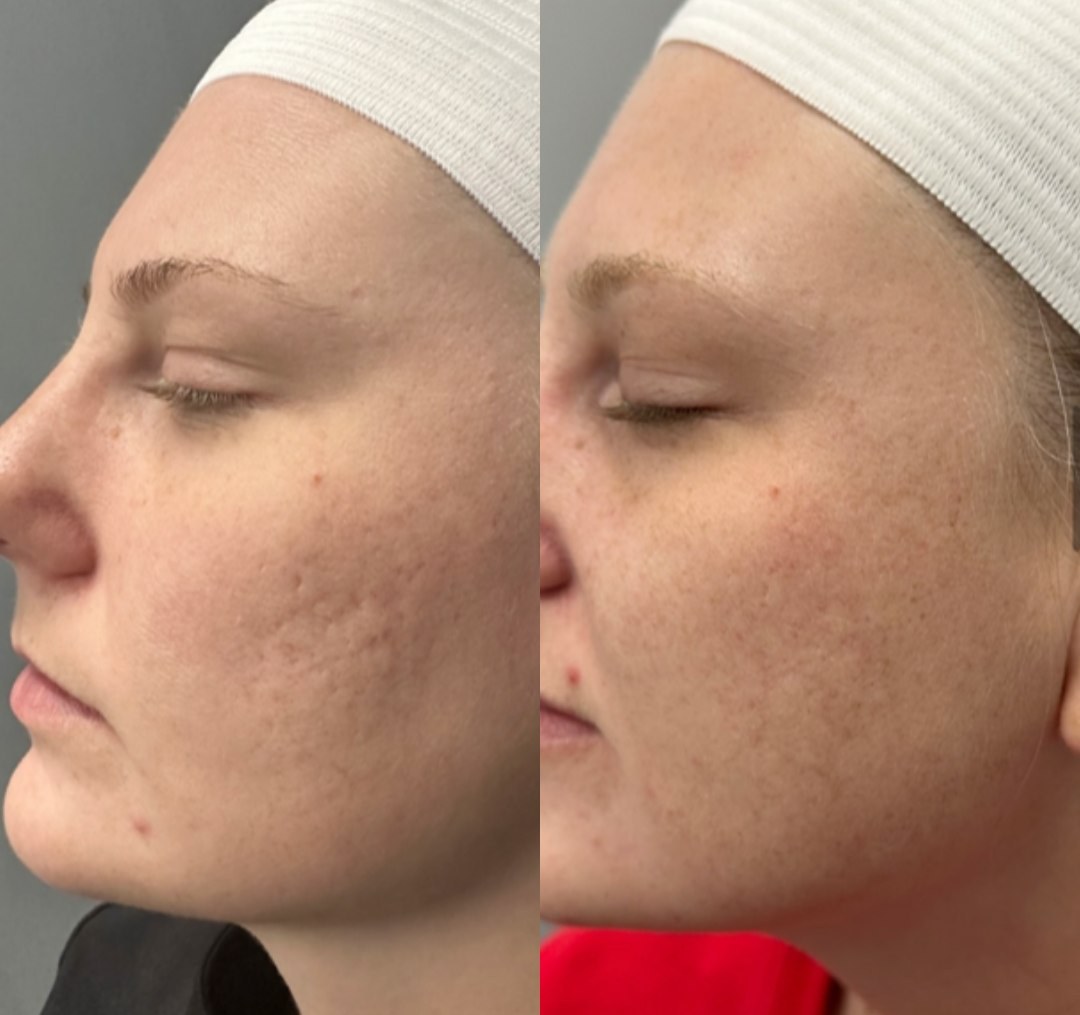
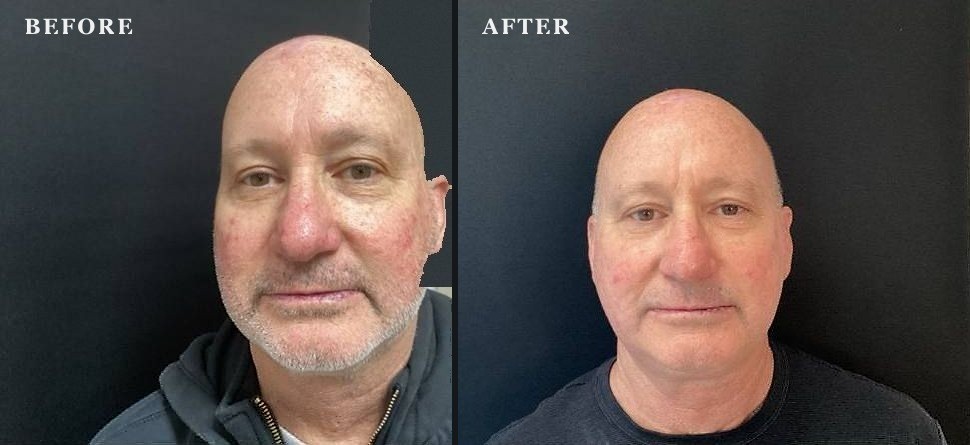
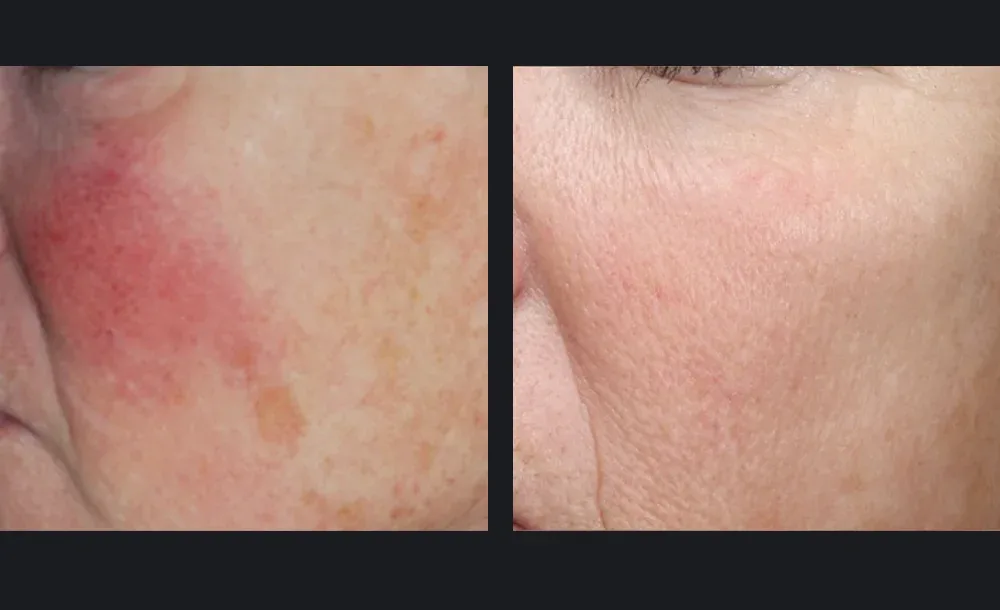
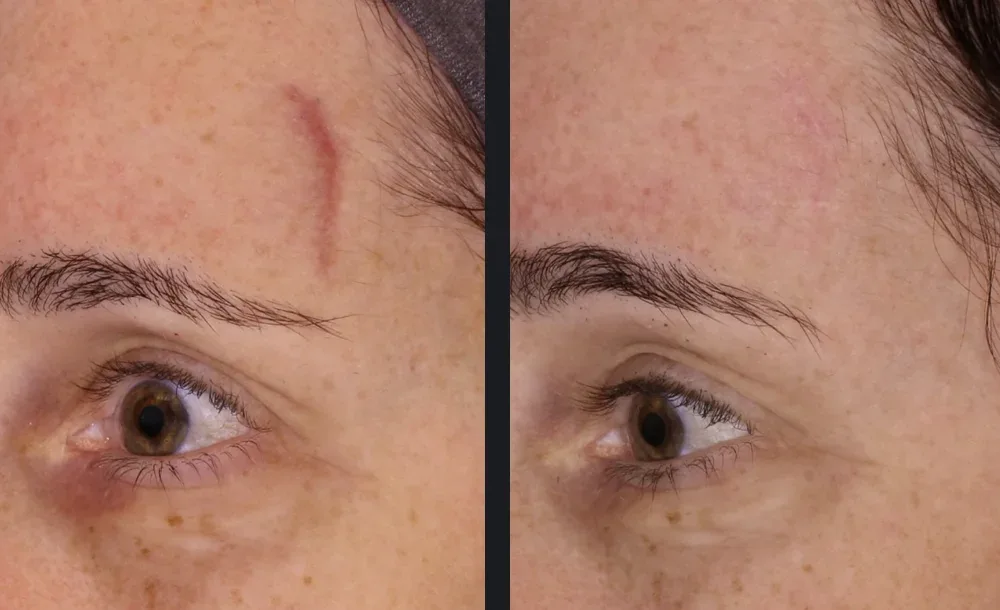
Real results for acne scarring & stubborn scars
A selection of results from our Bend & Central Oregon offices — every plan guided by a board-certified dermatologist. Individual results vary.
How we treat it
Treatments we may recommend
Your plan is chosen at your visit — often a thoughtful combination rather than a single treatment.
Redness, Acne & Scar Laser
VBeam Pulsed Dye Laser
Targets the red or pink vascular component of newer acne scars and lingering post-acne marks.
Laser Resurfacing
CO₂ Laser Resurfacing
The gold standard for resurfacing acne scars and dramatically refining texture.
RF Microneedling
RF Microneedling & Pixel8
Remodels scarred skin from within - excellent for rolling scars and pores.
Laser Resurfacing
Erbium Laser
A lighter-recovery resurfacing option for shallow scars.
Collagen Induction Therapy
Microneedling
SkinPen® collagen induction to soften scars and refine texture with minimal downtime.
Regenerative
PRP & Vampire Facial
Your own platelet-rich plasma boosts collagen and healing when combined with microneedling or subcision.
In-office procedure
Subcision
Releases the tethered bands beneath rolling and depressed scars so the skin can lift and smooth.
Injectable scar correction
Biostimulatory & HA Fillers
Lifts depressed scars — HA filler for immediate correction, biostimulatory filler to rebuild your own collagen over time.
In-office injection
Intralesional Kenalog
Targeted steroid injections flatten and soften raised, thickened, or keloid-type acne scars.
Chemical reconstruction
TCA CROSS
Precise focal chemical peel that rebuilds the base of narrow icepick and boxcar scars.
Minor surgical correction
Punch Excision & Elevation
For deep, discrete scars — the scar is removed or elevated for a smoother, more even surface.
A closer look
Acne Scarring & Stubborn Scars in Bend & Central Oregon, explained
Know your scar type before you treat it
Scars aren't one thing. Acne alone leaves several kinds — rolling scars give the skin a gentle, undulating surface; boxcar scars have sharper, crater-like edges; icepick scars are deep and narrow — and surgical, traumatic, and burn scars add lines, depressions, and raised or tethered tissue. The reason this matters is simple: the treatment that transforms a rolling scar isn't the one that helps an icepick or a raised surgical scar, and matching the tool to the scar is what produces real change.
Because scarring lives in the structure of the skin, the treatments that work are the ones that trigger controlled remodeling: fractional CO2 resurfacing, RF microneedling, and complementary approaches that prompt your skin to rebuild collagen and smooth itself over months.
Treat active acne first — or you'll just make new scars
One of the most important things a dermatology practice can do for acne scarring is control the acne that's still active. Resurfacing skin that's still breaking out is counterproductive and can lead to fresh scars. As a full dermatology practice, we can bring active acne under control and resurface the scarring in one coordinated plan — something a cosmetic-only clinic can't offer.
Scars also respond best when addressed relatively early, so we often begin softening them while finishing the work of clearing the acne, rather than waiting years for the skin to "settle."
How many sessions acne-scar treatment really takes
Acne-scar treatment is a process, not a single procedure. Most patients need a series — often three or more sessions spaced weeks apart — with improvement that continues to build for months as collagen rebuilds. Deeper or mixed scar patterns may call for combining modalities.
Setting honest expectations up front is part of good care. A dermatologist will tell you what degree of improvement is realistic for your specific scar pattern and skin type, rather than promising perfectly smooth skin from one visit.
Why a dermatologist
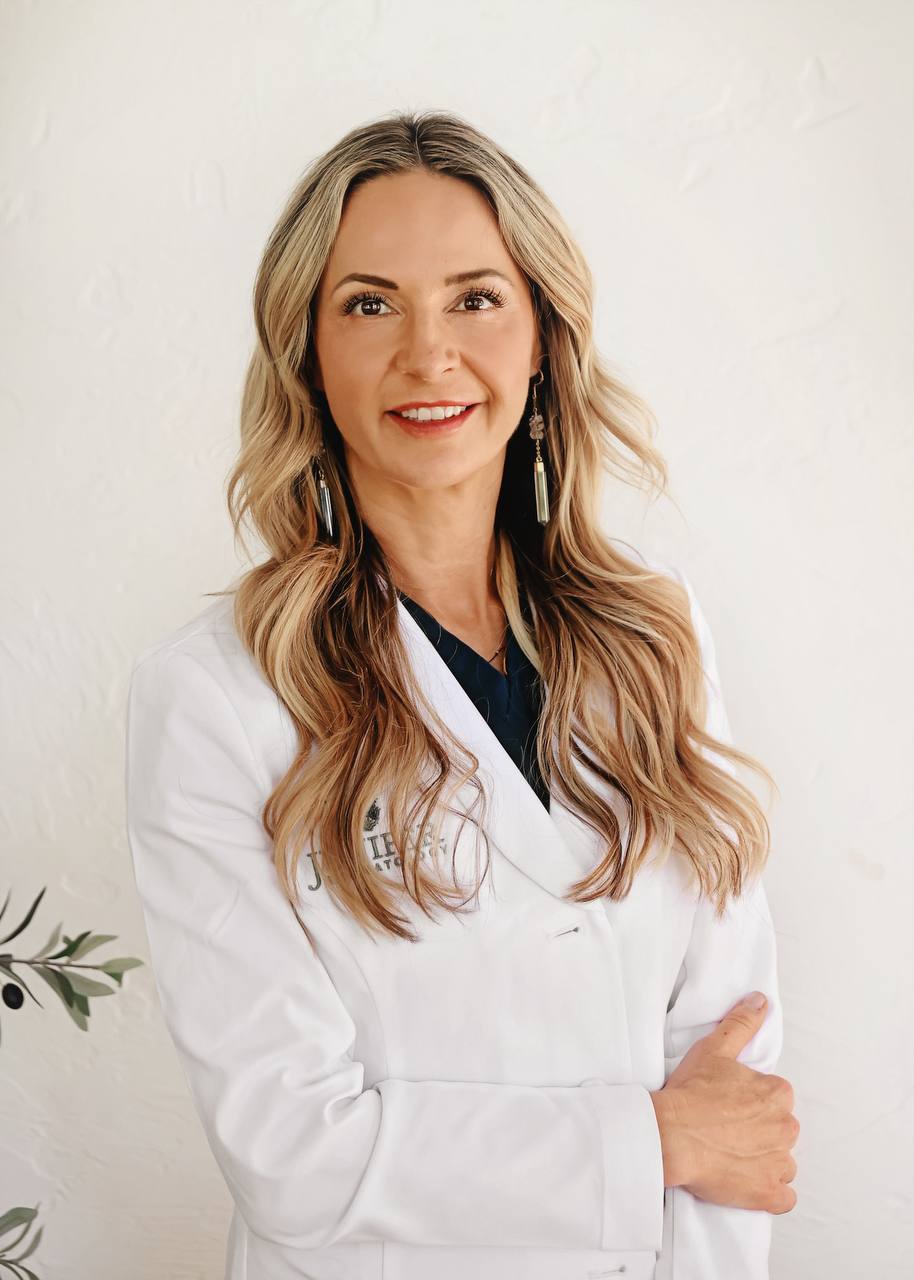
Treating scars while acne is still active just makes more scars. As dermatologists, we can control the breakouts and resurface the scarring in one coordinated plan - something a cosmetic-only clinic can't offer.
“Treating scars is one of my true passions. There's nothing like helping someone let go of a mark they've carried for years - it's part science, part craft, and deeply personal work I never tire of.”
Common questions
Acne Scarring & Stubborn Scars FAQ
What's the best treatment for acne scars?
It depends on the scar type. Rolling and boxcar scars respond well to fractional CO2 laser and RF microneedling; deeper scars may need combination treatment. A dermatologist evaluates your scar pattern and skin type to build the right plan - there's no single fix.
How many sessions will I need for acne scars?
Most patients need a series - often 3 or more sessions spaced weeks apart - with gradual, cumulative improvement. Scar treatment is a process, not a single procedure, and results continue to build for months as collagen rebuilds.
Can you treat acne scars if I still get breakouts?
We usually get active acne under control first, because resurfacing while you're breaking out can be counterproductive and lead to new scars. As a full dermatology practice, we can manage both the acne and the scarring together.
What's the best treatment for acne scars?
It depends on the scar type. Rolling and boxcar scars respond well to fractional CO2 laser and RF microneedling; deeper scars may need combination treatment. A dermatologist evaluates your scar pattern and skin type to build the right plan — there's no single fix.
How many sessions will I need for acne scars?
Most patients need a series — often three or more sessions spaced weeks apart — with gradual, cumulative improvement. Results continue to build for months as collagen rebuilds.
Can you treat acne scars if I still get breakouts?
We usually get active acne under control first, because resurfacing while you're breaking out can be counterproductive and lead to new scars. As a full dermatology practice, we manage both the acne and the scarring together.
Bend & Central Oregon · Central Oregon
Schedule your visit — often within the week.
Dermatologist-led aesthetic care in Bend. No pressure — just an expert plan built around you.