Aesthetic concern · Bend & Central Oregon
Treating Facial Redness & Rosacea in Bend
Central Oregon's high desert sun and altitude are hard on reactive skin. We calm redness, rosacea, and visible vessels at the source.
Understanding it
About redness & rosacea
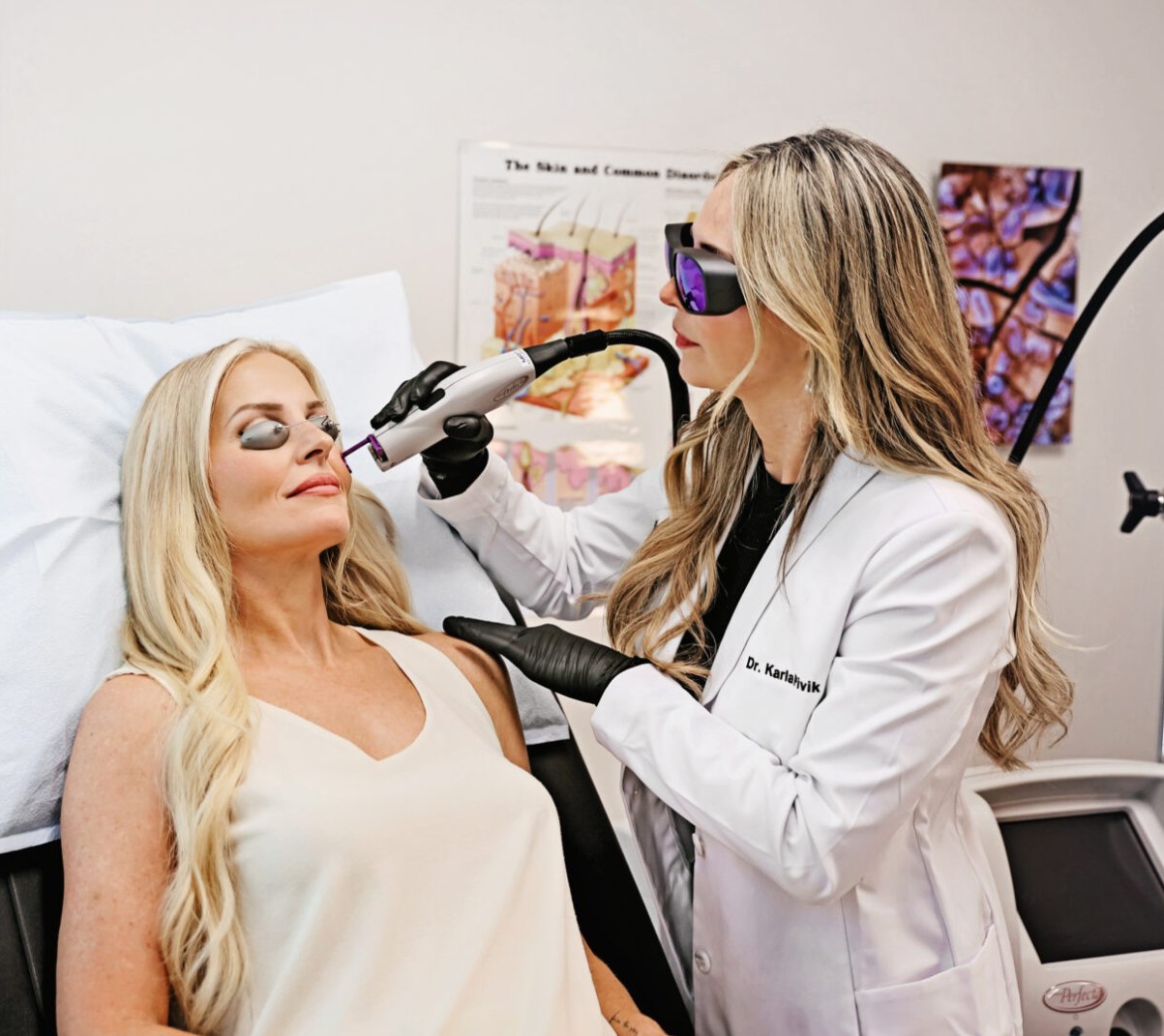
Redness has many faces: the flush of rosacea, broken capillaries around the nose, sun-induced redness, or lingering red marks from old breakouts. Because redness comes from blood vessels near the surface, light- and laser-based treatments that target those vessels are remarkably effective - often where creams alone have failed.
As dermatologists, we also make sure we're treating the right diagnosis. Rosacea, for example, is a medical skin condition with several subtypes, and the best outcomes come from pairing the right laser with the right skincare and, when needed, medical treatment - care we can provide under one roof.
You might notice
Does this sound like you?
- Persistent redness across the cheeks, nose, or chin
- Easy flushing or blushing that lingers
- Visible broken capillaries or spider veins
- Redness that worsens with sun, heat, wine, or exercise
- Red marks left behind after breakouts
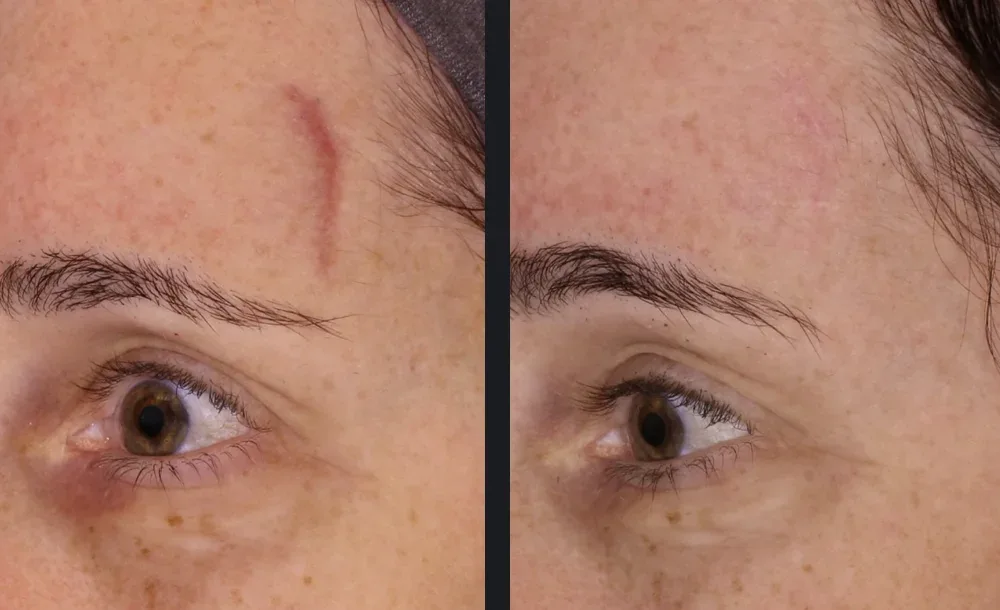
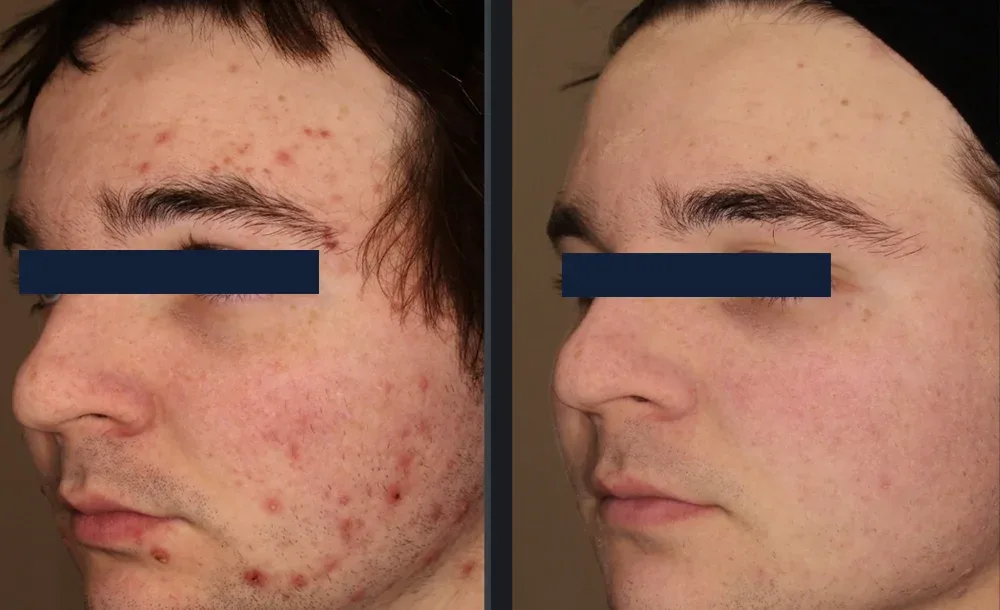
Before & after
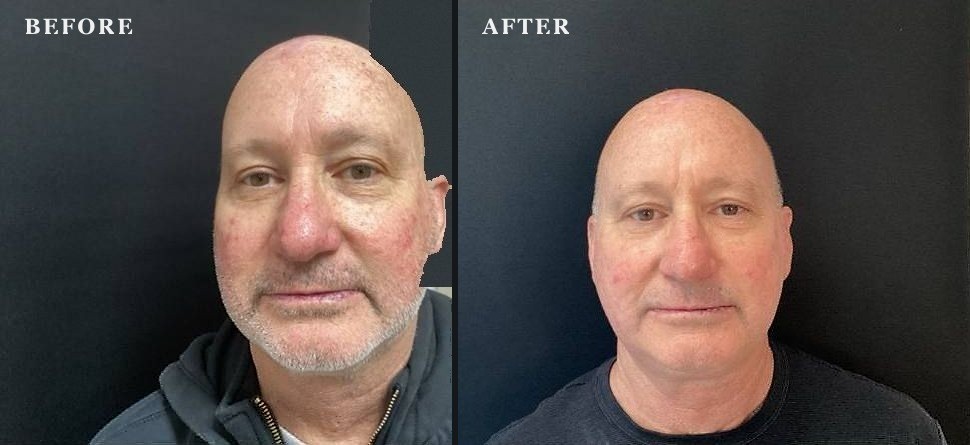
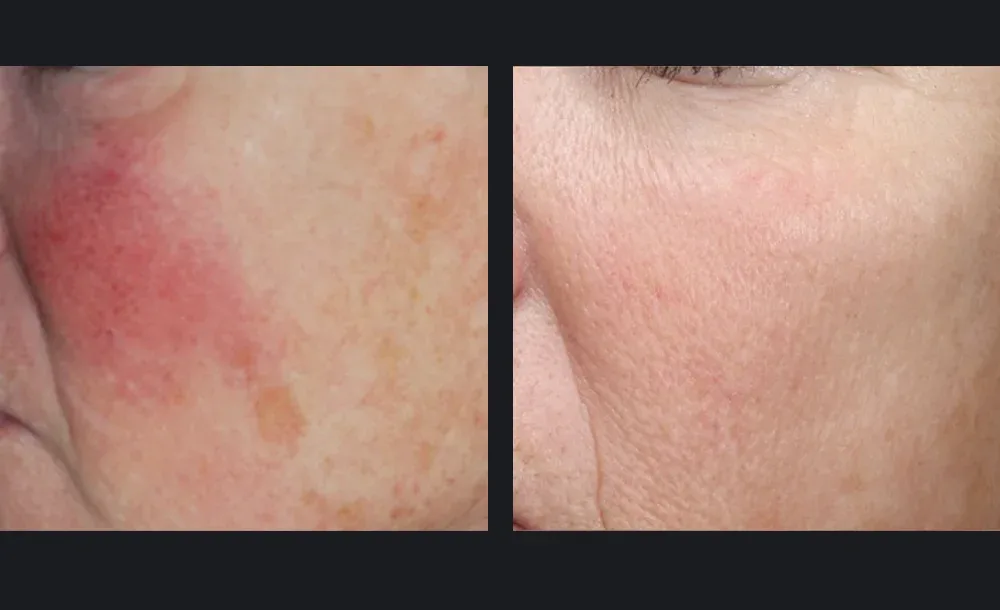
Real results for redness & rosacea
A selection of results from our Bend & Central Oregon offices — every plan guided by a board-certified dermatologist. Individual results vary.
How we treat it
Treatments we may recommend
Your plan is chosen at your visit — often a thoughtful combination rather than a single treatment.
A closer look
Redness & Rosacea in Bend & Central Oregon, explained
Why Central Oregon skin flushes — and why laser works so well on redness
Facial redness comes from blood vessels sitting close to the surface of the skin — the diffuse flush of rosacea, broken capillaries around the nose, sun-induced redness, or lingering marks from old breakouts. Because the target is vascular, light- and laser-based treatments that are absorbed by blood vessels can clear redness remarkably well, often where creams alone have stalled.
Bend's high-desert combination of intense sun, altitude, wind, and dramatic temperature swings is genuinely hard on reactive skin, and many locals find their redness worsens here. Treating the vessels directly with the right device addresses the redness at its source rather than just masking it.
VBeam vs. IPL for redness and rosacea
The VBeam pulsed-dye laser is widely considered the gold standard for redness and rosacea because it targets the blood vessels responsible while sparing the surrounding skin — excellent for flushing, visible vessels, and the redness of rosacea. IPL (intense pulsed light) shines when redness is mixed with background sun damage, clearing brown and red tones together in the same session.
Choosing between them — or combining them — comes down to what's actually driving your redness, which is a diagnosis best made by a dermatologist rather than guessed from a menu.
The advantage of treating rosacea in a full dermatology practice
Rosacea is a medical skin condition with several subtypes, not just a cosmetic flush — and it can even involve the eyes. Treating only the visible redness while ignoring the underlying condition tends to disappoint. Because Juniper is a full dermatology practice, we can pair laser treatment of the redness with medical management of the rosacea itself and a trigger-aware skincare plan.
That combination — the right laser, the right prescription when needed, and a routine built around your personal triggers — is what keeps redness better over the long term instead of returning after every course of treatment.
Why a dermatologist
Redness can be cosmetic or a sign of a medical skin condition like rosacea. Being a full dermatology practice means we can both treat the visible redness with laser and manage the underlying condition - so it actually stays better.
Common questions
Redness & Rosacea FAQ
What's the best laser for rosacea and facial redness?
The VBeam® pulsed dye laser is considered the gold standard for redness and rosacea because it targets the blood vessels responsible without damaging surrounding skin. IPL is also excellent when redness is mixed with sun damage. Your dermatologist chooses based on your skin.
How many treatments will I need for redness?
Most patients see meaningful improvement in a series of treatments - often 2-4 spaced a few weeks apart - with periodic maintenance, since rosacea and sun exposure are ongoing. Many notice a difference after the first session.
Is laser treatment for redness painful?
Most patients tolerate it well, describing a quick snapping sensation and warmth. There's typically little to no downtime, though some redness or brief bruising can occur. We review what to expect at your visit.
What's the best laser for rosacea and facial redness?
The VBeam pulsed-dye laser is considered the gold standard because it targets the blood vessels responsible for redness without damaging surrounding skin. IPL is excellent when redness is mixed with sun damage. Your dermatologist chooses based on what's driving your redness.
How many treatments will I need for facial redness?
Most patients see meaningful improvement over a series — often two to four sessions spaced a few weeks apart — with periodic maintenance, since rosacea and sun exposure are ongoing. Many notice a difference after the first session.
Is redness always rosacea?
No. Persistent facial redness can be rosacea, sun damage, broken capillaries, or the aftermath of breakouts — and the treatment differs for each. As a full dermatology practice we confirm the diagnosis first, so you're treating the right thing.
Bend & Central Oregon · Central Oregon
Schedule your visit — often within the week.
Dermatologist-led aesthetic care in Bend. No pressure — just an expert plan built around you.