Lighter patches
Smooth, milky-white or lighter patches of skin with fairly clear borders.
Medical Dermatology
Vitiligo causes smooth patches of lighter skin where pigment has been lost. It's not contagious or dangerous - but it's deeply personal, and there are real treatments that can help restore color.
✓ Medically reviewed by Dr. Karla Snider Pivik, DO, FAAD, FAOCD — board-certified dermatologist

Overview
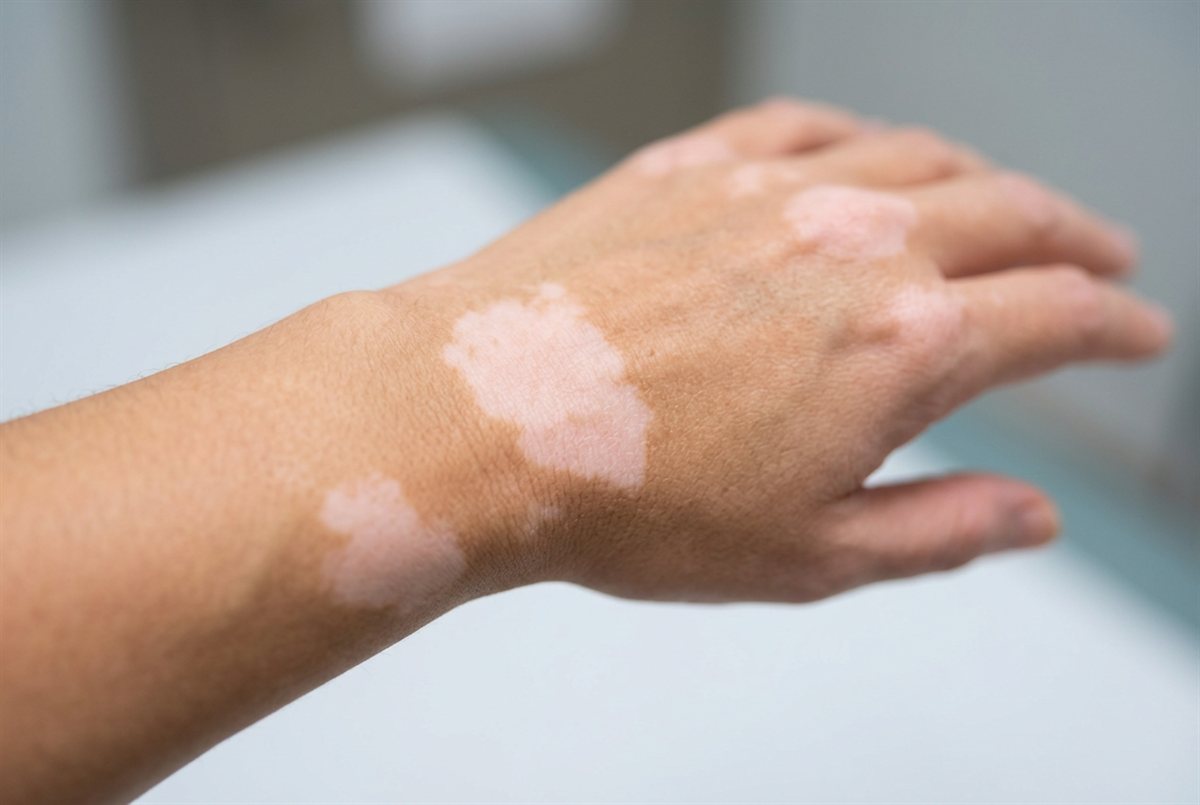
Vitiligo is a condition in which the skin loses its pigment, creating smooth, well-defined patches that are lighter than the surrounding skin. It happens when melanocytes - the cells that make pigment - stop working or are lost, most often because the immune system mistakenly targets them. It can appear anywhere, but commonly shows up on the hands, face, around the eyes and mouth, and in body folds, and it often affects both sides of the body symmetrically.
Vitiligo is not contagious, not painful, and not a sign of anything harmful spreading through your body - but for many people it carries a real emotional weight. Because it's so visible, it can affect confidence and how you feel in your own skin. We treat the whole person here: your goals matter as much as the patches themselves, whether you want to actively restore color, protect the skin, or simply understand what's happening.
There's genuinely good news in vitiligo care. For years, treatment options were limited - but that has changed. OPZELURA® (ruxolitinib) cream is now the first FDA-approved treatment shown to restore skin color in nondepigmenting vitiligo, and combined with time-tested options like phototherapy, results are better than ever. Vitiligo responds slowly and steadily, so patience matters - but meaningful repigmentation is often possible.
Vitiligo care has advanced meaningfully in the last few years. Today's options include:
Vitiligo is a medical condition, not a cosmetic flaw - and caring for it means caring for you:
Signs & symptoms
Smooth, milky-white or lighter patches of skin with fairly clear borders.
Often on the hands, face, around the eyes and mouth, and in skin folds - frequently on both sides.
The skin stays smooth and flat - there's no scaling, bumps, or itch in most cases.
Hair within a patch - on the scalp, brows, or lashes - may turn white or gray early.
Depigmented areas burn easily because they've lost their natural protective pigment.
Patches can stay stable for a long time or slowly spread - the pattern varies from person to person.
How we treat it
There's no one-size-fits-all in vitiligo - so we build a plan around your skin, your goals, and how active the condition is. Repigmentation takes time, and we'll walk it with you.
The first FDA-approved treatment shown to restore skin color in nondepigmenting vitiligo - a steroid-free option we can prescribe and monitor.
Narrowband UVB light therapy, a proven approach for encouraging repigmentation, especially over larger or widespread areas.
Steroid and steroid-free (calcineurin-inhibitor) creams that calm the immune activity behind vitiligo, often used on the face and sensitive areas.
Thoughtfully pairing topicals and light therapy, which often works better than a single treatment alone.
A tailored sun-care plan to protect depigmented skin and keep patches from standing out more with tanning of the surrounding skin.
Attention to the emotional side, guidance on camouflage options if you want them, and checking in on related autoimmune health.
When to come in
If you notice new patches of lighter skin, or areas that are slowly losing color, a dermatologist can confirm whether it's vitiligo and talk through your options - including newer treatments that can help restore pigment. Earlier treatment often responds better, so it's worth coming in rather than waiting.
Schedule with JuniperCommon questions
Vitiligo develops when the cells that make pigment (melanocytes) stop working or are destroyed - most often because the immune system mistakenly targets them, which makes it an autoimmune condition. Genetics can play a role, and it's sometimes linked to other autoimmune conditions like thyroid disease. It is not caused by anything you did, it's not contagious, and it's not related to poor hygiene or diet.
Yes. While there's no permanent cure, treatments can restore pigment and help even out skin tone - and the options have improved significantly. OPZELURA® (ruxolitinib) cream is the first FDA-approved treatment proven to repigment nondepigmenting vitiligo, and phototherapy and topical anti-inflammatories are effective as well, especially in combination. Vitiligo responds slowly, so treatment takes patience, but meaningful improvement is often achievable.
No - vitiligo is not contagious in any way, and it isn't physically dangerous or painful. The main medical consideration is that depigmented skin burns easily and needs good sun protection. For many people, though, the biggest impact is emotional, because it's so visible - and that's something we take seriously and support you through.
OPZELURA® (ruxolitinib) is a topical cream and the first FDA-approved medication shown to restore skin color in people with nondepigmenting vitiligo. It's a JAK inhibitor, which means it calms the specific immune signals that attack pigment cells, allowing color to gradually return - with the best results often seen on the face. We'll determine whether it's a good fit for you and monitor your progress.
It varies. Some people regain most of their pigment, especially on the face and with early, consistent treatment; other areas - like the hands and feet - tend to respond more slowly. Repigmentation happens gradually over months, so patience and a consistent plan matter. We'll set realistic expectations for your specific pattern and track how you respond.
Not necessarily, but because vitiligo is autoimmune, it's sometimes associated with other autoimmune conditions - thyroid disease being the most common. For that reason we may ask about related symptoms or check in on your broader health, so nothing is missed.
Bend & Redmond · Central Oregon
Board-certified dermatology with same-week appointments — because no one should have to wait for expert care.