Warning tingle
Tingling, itching, or burning at the spot a day or two before any blister appears.
Medical Dermatology
Cold sores are common, contagious, and very treatable. The secret is timing - starting an antiviral at the very first tingle can stop an outbreak in its tracks.
✓ Medically reviewed by Dr. Karla Snider Pivik, DO, FAAD, FAOCD — board-certified dermatologist

Overview
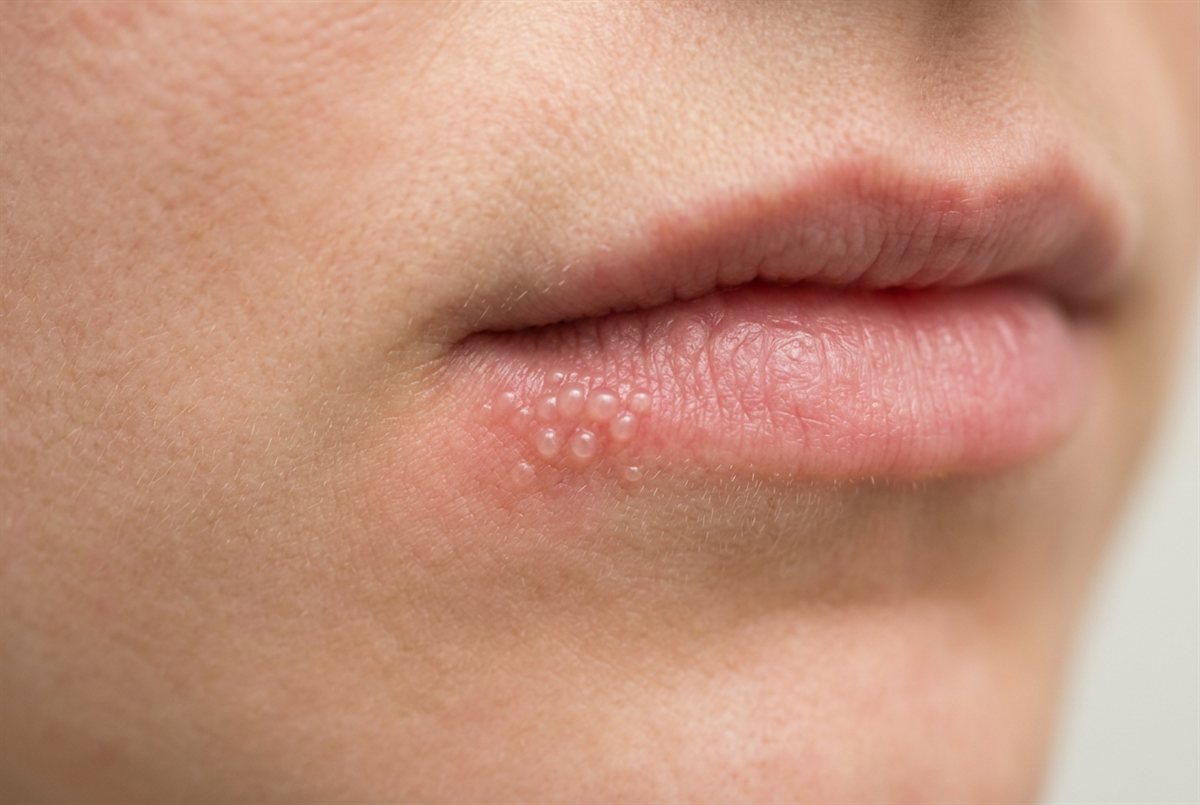
Cold sores - also called fever blisters or oral herpes - are small clusters of blisters that appear on or around the lips, caused by the herpes simplex virus (usually HSV-1). They're extremely common: most people carry the virus, often picked up in childhood. Many people feel a warning tingle, itch, or burning a day or so before the blisters appear, which then bubble up, break, crust over, and heal within a week or two.
Once you have the virus, it stays dormant in the nerves and can reactivate from time to time, usually in the same spot. Common triggers include stress, illness or fever, sun and wind exposure, fatigue, hormonal changes, and even dental work. Cold sores are contagious - especially when a blister is present - so they can spread through kissing, sharing utensils or lip products, and close contact.
There's no cure for the underlying virus, but treatment makes a real difference. Antiviral medication is most effective when it's started at the very first sign - that early tingle - and for people who get frequent or severe outbreaks, a dermatologist can prescribe a plan to shorten flares or prevent them altogether. If your 'cold sores' are frequent, unusually severe, or you're not certain that's what they are, it's worth a visit.
That early tingle is your window. Starting an antiviral right away can:
Cold sores are usually straightforward, but come in if:
Signs & symptoms
Tingling, itching, or burning at the spot a day or two before any blister appears.
Small, fluid-filled blisters grouped together, usually at the edge of the lip.
Blisters break, weep, and crust over, then heal over one to two weeks.
Outbreaks tend to recur in the same location.
Stress, illness or fever, sun and wind, fatigue, or hormonal changes can set one off.
A first outbreak can come with fever, sore throat, or swollen glands.
How we treat it
We focus on two things: knocking down the outbreak you have, and - if flares are frequent - setting up a plan to prevent the next ones.
Prescription antivirals (such as valacyclovir, acyclovir, or famciclovir) that work best started at the first tingle to shorten and ease an outbreak.
For frequent outbreaks, a daily low-dose antiviral can dramatically reduce how often cold sores occur.
Prescription topical antivirals and soothing measures to ease discomfort during a flare.
Identifying your personal triggers - sun, stress, illness - and a plan to avoid them, including lip sun protection.
Confirming it's herpes simplex and not another lip condition like angular cheilitis or impetigo, so you treat the right thing.
For example, a short course of antiviral before a known trigger such as significant sun exposure or a dental procedure.
When to come in
If your cold sores are frequent, severe, slow to heal, or you'd like to prevent them, a dermatologist can help - including daily suppressive treatment that can cut outbreaks way down. Seek care promptly for a sore near the eye, or any outbreak if you have a weakened immune system or eczema.
Schedule with JuniperCommon questions
Cold sores are caused by the herpes simplex virus, most often HSV-1. Most people are exposed in childhood, and once you have the virus it stays dormant in the nerves and can reactivate periodically - usually in the same spot. Common triggers include stress, illness or fever, sun and wind, fatigue, and hormonal changes. Having cold sores is very common and isn't a reflection of hygiene.
The single most effective step is starting a prescription antiviral at the very first sign - the tingle before the blister forms. Taken early, antivirals shorten the outbreak and ease symptoms, and can sometimes stop a sore from fully developing. Keeping the area clean and protected and avoiding picking also helps it heal. If you get them often, ask us about medication to keep on hand or a daily preventive plan.
Yes. The virus spreads through close contact - kissing, sharing utensils, cups, or lip products - and is most contagious when a blister is present, though it can spread even without visible sores. To protect others, avoid close contact during an outbreak, don't share items that touch your mouth, and wash your hands. Take special care around newborns and anyone with a weakened immune system or eczema.
Start by managing triggers - daily lip balm with SPF for sun exposure, stress management, and good rest. If you get frequent outbreaks, a daily suppressive antiviral can markedly reduce how often they occur, and a short preventive course before a known trigger (like a sunny vacation or dental work) can head one off. We'll build a plan around your pattern.
Most cold sores are harmless and heal on their own. See us promptly if a sore is very painful, spreading, or hasn't healed in about two weeks, if you're getting them frequently, or if you have a weakened immune system or eczema. Any sores near the eye - or eye pain or vision changes during an outbreak - need urgent care, because herpes can affect the eye.
Bend & Redmond · Central Oregon
Board-certified dermatology with same-week appointments — because no one should have to wait for expert care.