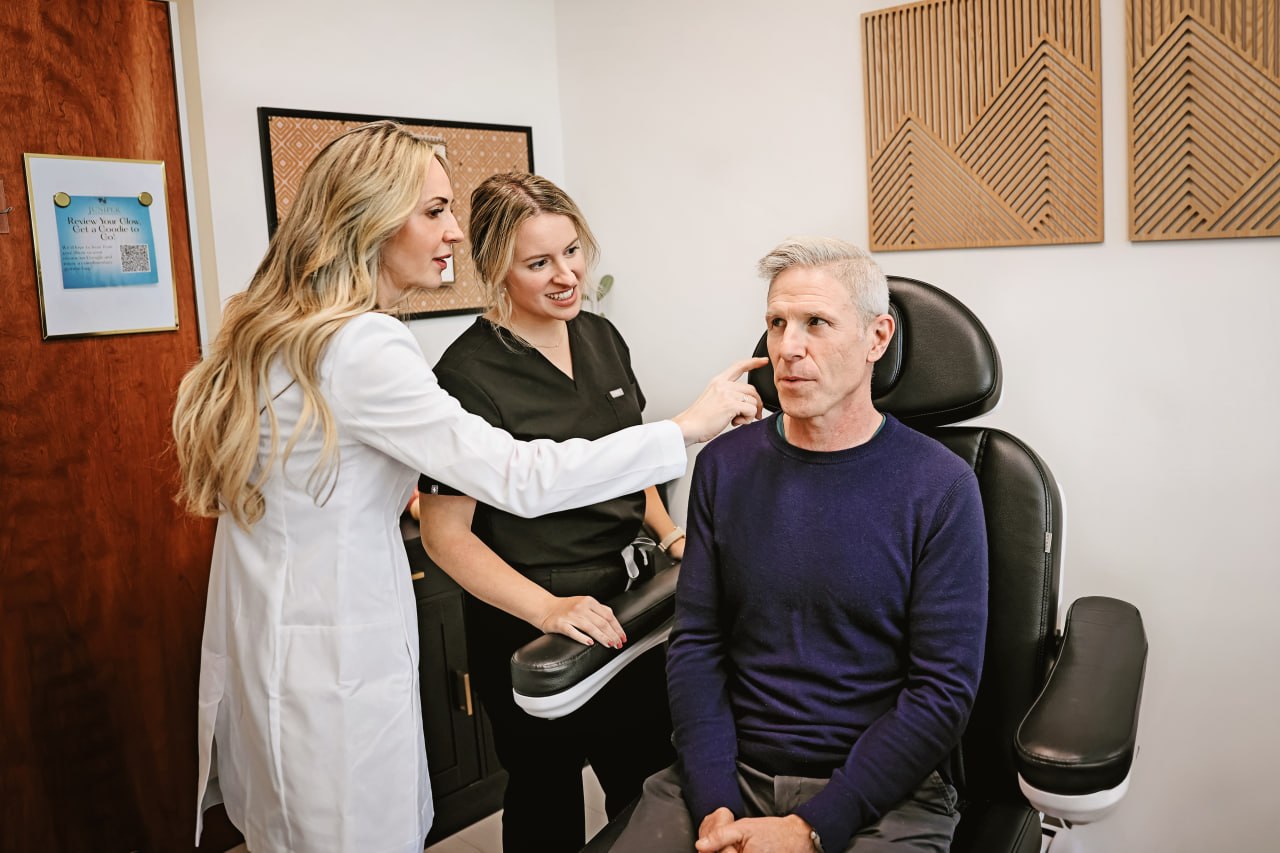
No surgery
No surgical incision, stitches, or reconstructive surgery. Temporary and longer-term skin changes can still occur.
GentleCure® / Image-Guided SRT
GentleCure® Image-Guided SRT is a non-surgical treatment available at our Bend office for selected basal cell and squamous cell skin cancers. A dermatologist reviews your pathology, cancer location, health, and goals to determine whether it is an appropriate option; it is not used for melanoma.
A gentler alternative to surgery
With GentleCure® Image-Guided Superficial Radiation Therapy (IG-SRT), you can experience a cure rate above 99% in published studies while avoiding a surgical incision. Individual outcomes vary, and visible skin changes can occur. It’s one option within Juniper’s full Skin Cancer Center, backed by our board-certified medical dermatology team. GentleCure® at Juniper Dermatology can address:
✓ Basal cell carcinoma
✓ Squamous cell carcinoma
✓ Selected recurrent or difficult-to-treat nonmelanoma skin cancers
✓ Keloid lesions
Why patients choose GentleCure®
No surgical incision, stitches, or reconstructive surgery. Temporary and longer-term skin changes can still occur.
A multi-institutional retrospective study of 1,632 patients reported 99.3% local control among the studied early-stage basal and squamous cell skin cancers.*
Medicare and many insurance plans may cover treatment when medical and plan criteria are met. Coverage and out-of-pocket costs vary.
Treatment is currently delivered at Juniper's Bend office. Patients from Redmond and across Central Oregon can ask about evaluation and coordination.
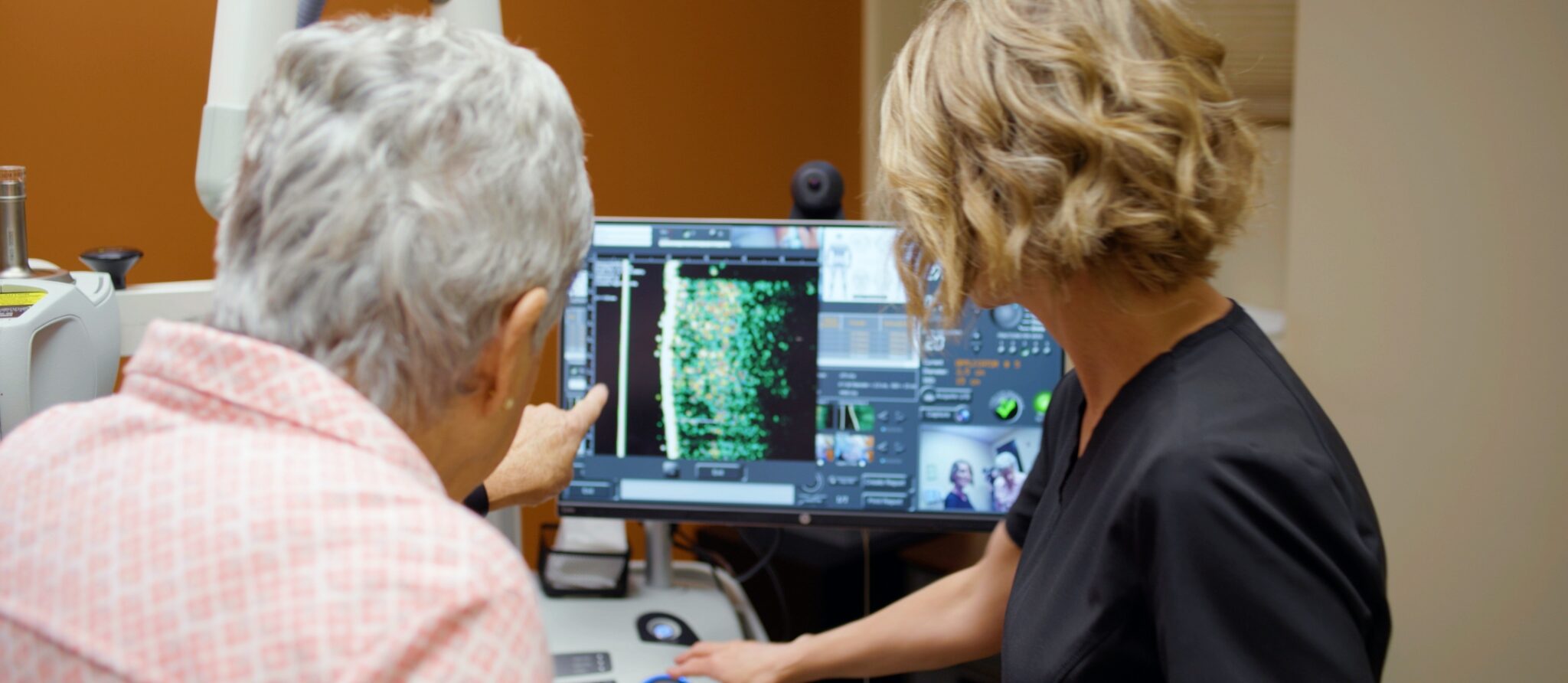
Results you can see in real time
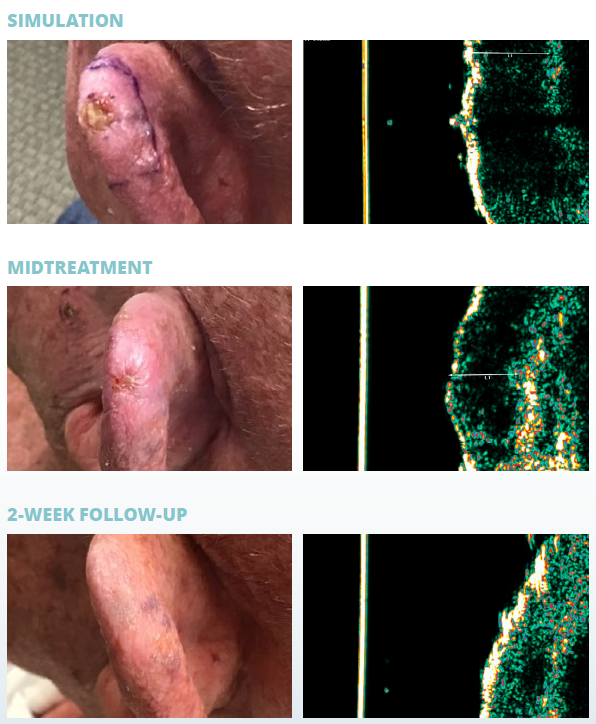
Our imaging technology lets you see a detailed picture of your cancer during each treatment session — so we can target the treatment area and monitor changes during your course of care.
Ask if GentleCure® is right for youThe GentleCure® experience
Our advanced image-guided SRT system shows a detailed image of your cancer on screen during treatment — so we precisely target the tumor and monitor your progress.
There is no cutting or suturing. Many patients can continue usual activities, although the treated skin may become irritated and require care.
Redness, swelling, irritation, crusting, or tenderness can occur. Pigment change, skin thinning, or visible vessels are possible longer-term effects.
Each session takes about 15 minutes. You'll come in a few times a week over roughly 4–7 weeks to complete your personalized plan.
Beyond skin cancer, GentleCure® is one of the few highly effective solutions available for stubborn keloid scars.
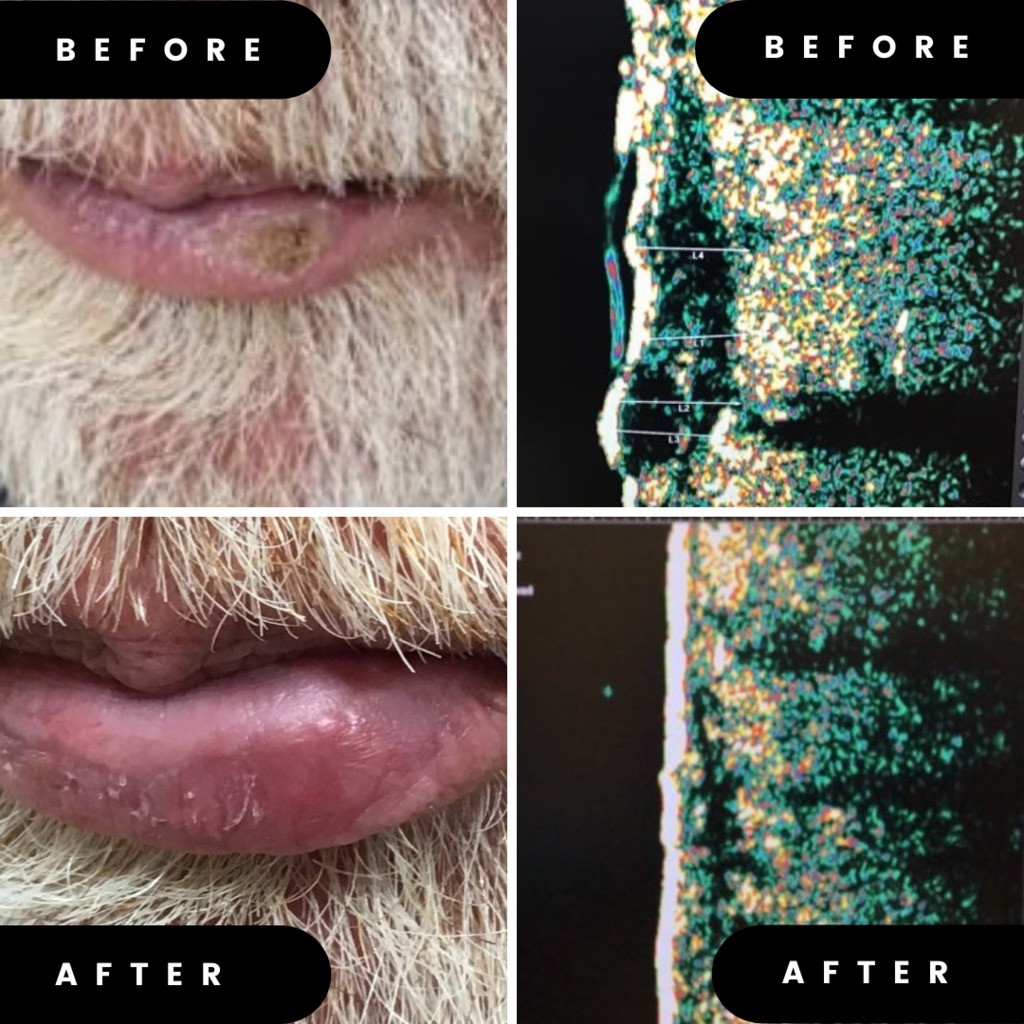
Real patient results
Actual, unretouched GentleCure® results. Individual results vary; candidacy is determined during your consultation.
Your treatment experience
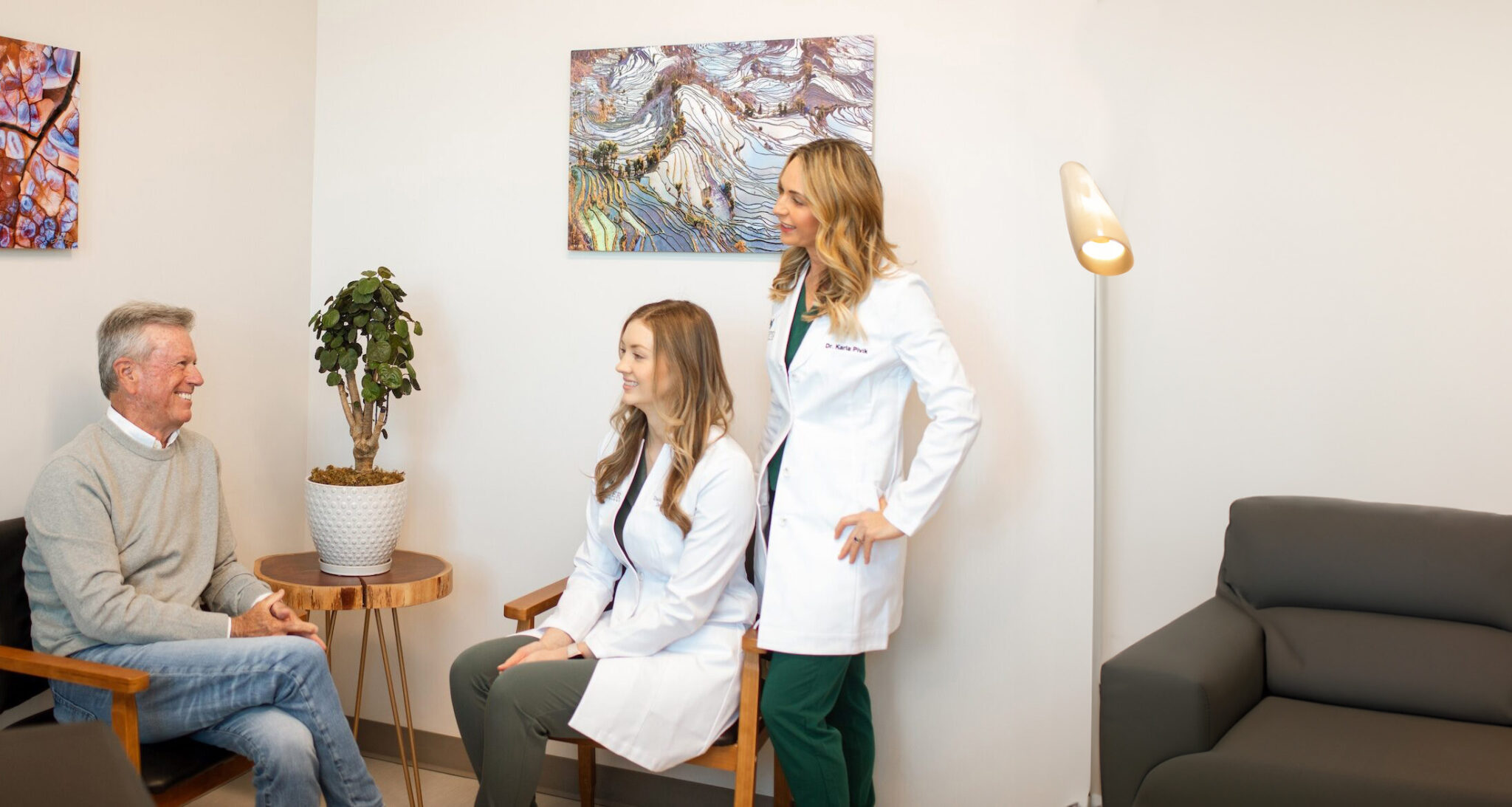
Your care team
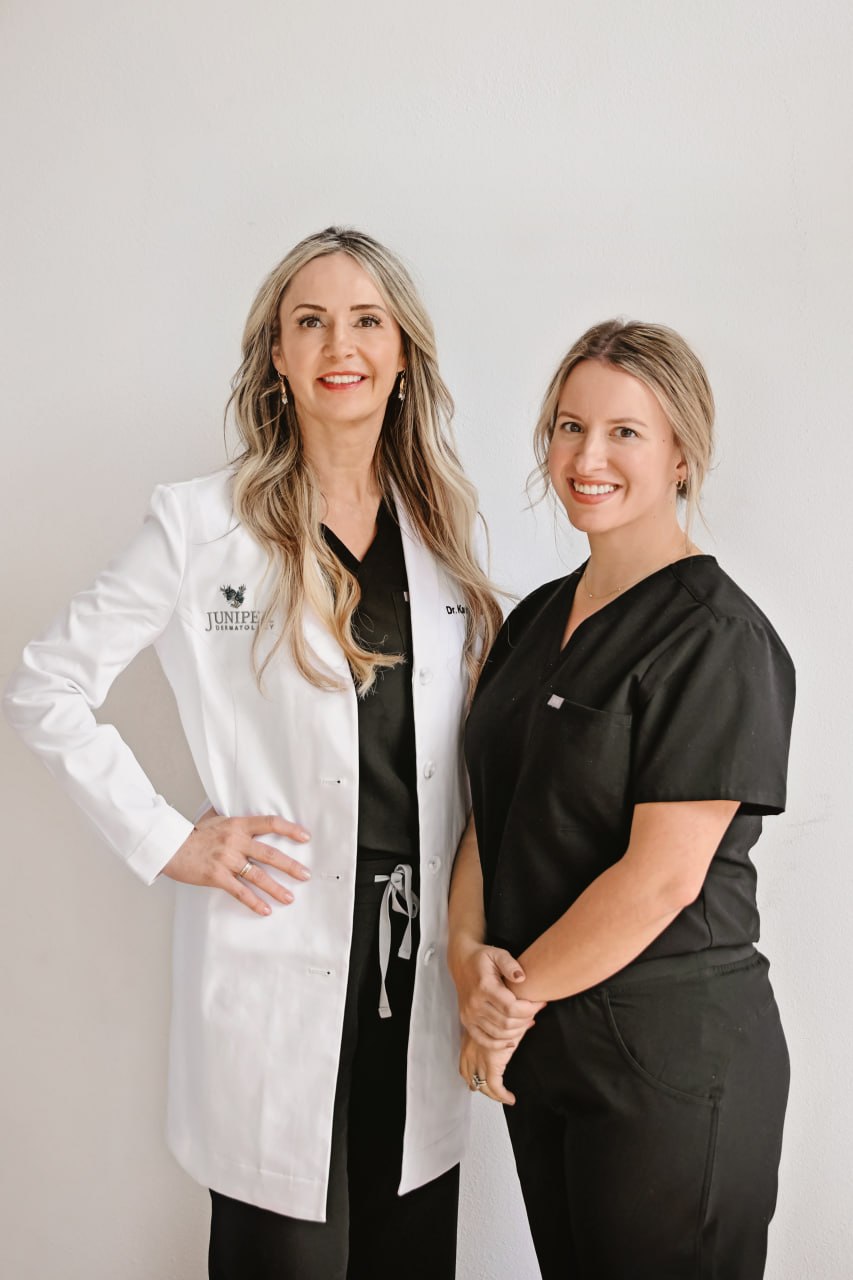
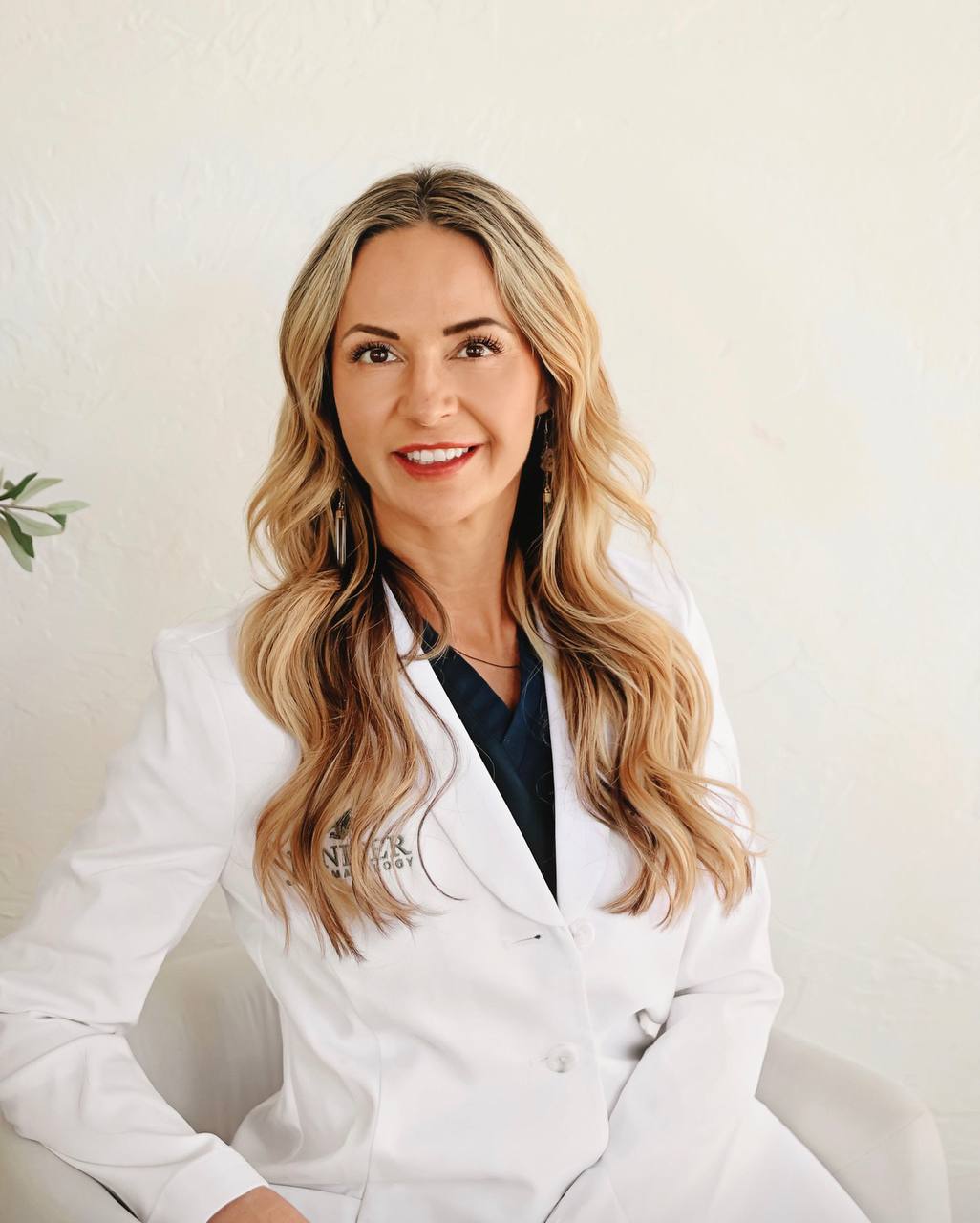
Board-certified dermatologist with over 12 years of experience specializing in skin cancer treatment, passionate about effective alternatives that minimize disruption to your daily life.
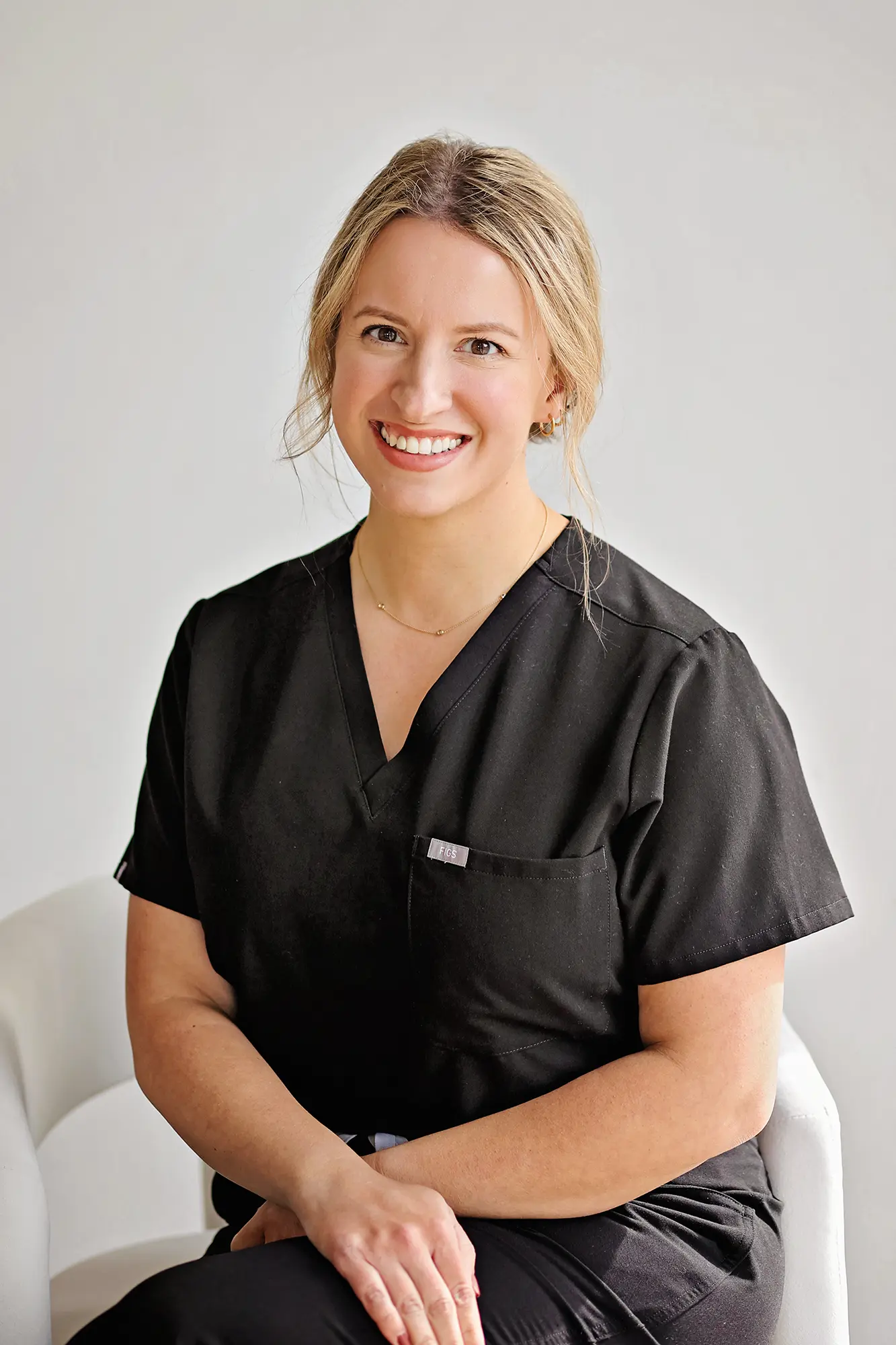
Registered Radiation Therapist with over a decade treating cancer in Central Oregon. BS in Radiation Therapy (Summa Cum Laude, Texas State University); ARRT-certified and an active member of the ASRT.
Common questions
GentleCure® uses advanced imaging to precisely target cancerous cells with a controlled dose of low-energy X-ray, killing the cancer without harming surrounding healthy tissue. Sessions are about 15 minutes, a few times a week over 4–7 weeks.
Temporary redness, swelling, irritation, crusting, or tenderness can occur in the treated area. Longer-term changes such as pigment change, skin thinning, or visible vessels are possible. Your care team will review expected effects and wound care for your treatment site.
Medicare and many insurance plans may cover treatment when medical and plan criteria are met, but benefits and out-of-pocket costs vary. Our team can help verify your plan before treatment.
Mohs surgery and Image-Guided SRT are different treatments. Mohs removes the tumor surgically and examines tissue margins during the procedure; it is often preferred for certain high-risk tumors. IG-SRT avoids a surgical incision and may be considered for selected basal or squamous cell cancers. A dermatologist should recommend the approach based on pathology, tumor features, location, health, and patient preference.
It is highly effective for the two most common types — basal cell and squamous cell carcinoma — and can also treat keloids and some recurrent or difficult-to-treat skin cancers. It is not used for melanoma.
Any suspected recurrence needs a new dermatologist evaluation and may require biopsy. The next step depends on the cancer type, location, prior treatment, and pathology and may include surgery, Mohs surgery, radiation, or coordinated specialty care.
Clinical evidence & sources
GentleCure® / Image-Guided SRT is an FDA-cleared, evidence-based treatment. Explore the published research and official resources below.
Treatment in Bend · Serving Central Oregon
Find out whether GentleCure® is right for your skin cancer with a dermatologist-led consultation. Patients may begin their evaluation in Redmond; GentleCure® treatment is currently delivered at our Bend office.